Birding has always been an elusive hobby to me. The act of bird watching, in my universe, was strictly the stuff of books and movies, often embodied by idiosyncratic characters clutching their binoculars and scribbling in notepads.
So when I finally set out for the Singapore Botanic Gardens, armed with nothing but the BirdWeather app in my phone, I wasn’t sure what I was walking into. While I enjoy going to bird parks and spotting a pretty bird out on a walk as much as the next person, I’d never felt the pull to take it a step further.
The BirdWeather app, a free download from Apple and Google Play app stores, calls itself a “living library of bird vocalisations”. It allows users to easily record and identify bird calls using an artificial neural network—a computational system modelled on the structure and function of the human brain. It’s designed not just for hobbyists, but also conservation and ecological research.

It was mid-October and the rain had come and gone, leaving the floor dewy and the air thick with humidity. Even so, the Botanic Gardens remained busy, with groups of people lounging on the grass and getting in their daily steps. Although I’d been to Botanics countless times, this was the first time I was truly listening.
I heard them instantly. Their chirps were eclipsed by chatter from nearby groups and cars from the main road, but they were there. Holding my phone in the air like a satellite, I shuffled around in an attempt to catch their calls, painfully aware I probably looked ridiculous.
An hour later, I managed to record only four birds, all of them the same species. Getting a clean audio recording was harder than I thought, as birds flitted through the canopy or stayed hidden in the high treetops.
But my thoughts of looking ridiculous had vanished. What I didn’t expect was how fun it all was. The silent creeping and holding of my breath in hopes of not startling a chirping bird, watching BirdWeather analyse the sounds, and finally discovering exactly what bird it was fluttering before me. It felt like the thrill of a treasure hunt.

That was just the first of many expeditions. A week later, I found myself at Seoul Forest in South Korea, walking around in the chilly autumn air with my phone held high above me, in search of treasure.
I found more success over the course of my travels, collecting close to 42 sightings on the first day alone, whipping out my phone at every bush and at the mere sighting of birds. This little challenge made me realise how often birds sing all around us; I had just never paid attention.

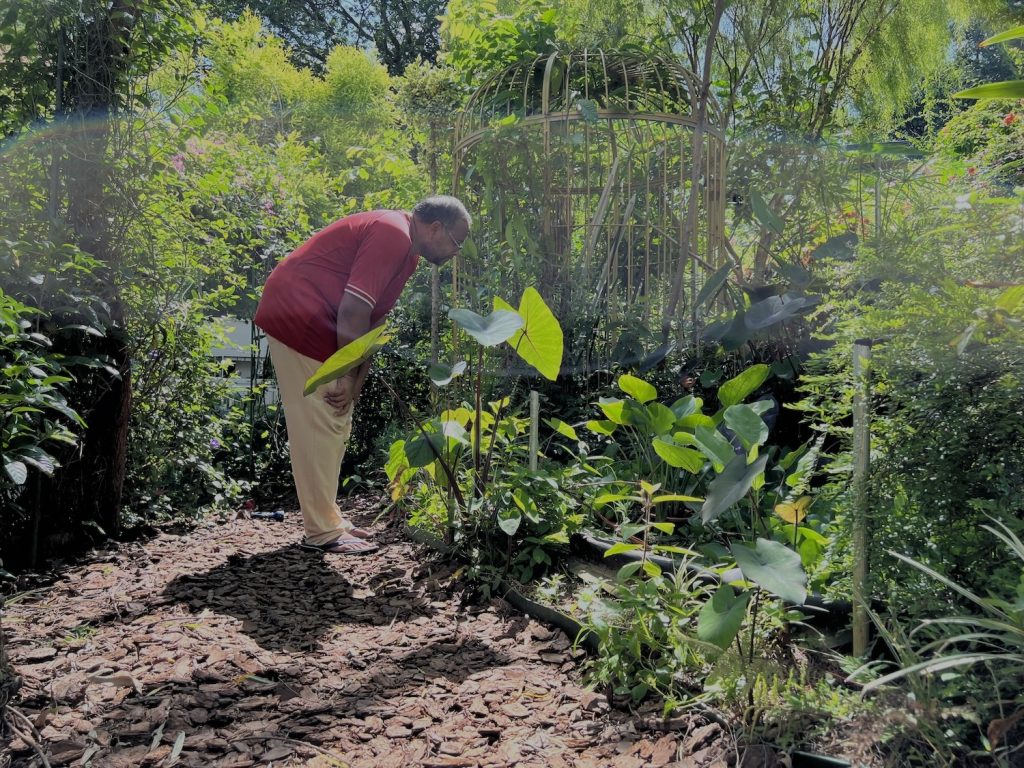
My energy must have been infectious because soon enough, my father had downloaded the app and was proudly logging his own birds he heard in Seoul. Even back home in Singapore, he’s still tracking birds at our HDB void deck.
BirdNET, the artificial neural network BirdWeather uses for its platform, is a joint research project between The Cornell Lab of Ornithology and the Chemnitz University of Technology.
Its main goal is to “assist experts and citizen scientists in their work of monitoring and protecting our birds”. A citizen science platform, BirdNET can currently identify around 3,000 of the world’s most common species, with plans to expand further.
At this point, you might be wondering, why does logging bird trends even matter? Because citizen science efforts are at the forefront of it all.

Vice-president of Bird Society of Singapore Raghav Narayanswamy told The Straits Times on Oct 6 that logs help alert experts to any trends, like “if a certain species is declining faster than another”.
“This helps us do a better job in targeting conservation efforts,” said Mr Narayanswamy.
At this year’s biannual Australasian Ornithological Congress in Brisbane, programme manager Chris Wood demonstrated the prowess of citizen efforts to some of the biggest names in bird conservation.
When displaying important data on the Eastern Koel and its migratory patterns, he revealed that the data comprised 86,149 physical logs from birdwatchers.
Said Mr Wood, “What is genuinely exciting is that almost all of it was submitted by ordinary birders dedicating their time to recording birds wherever they are and submitting them. People like this.”
And the logs don’t just help birds. Birds are used as monitoring targets because they live almost everywhere, making population trends the “de facto baseline of ecosystem health”, said Wood.
A little goes a long way, and a single log, multiplied by thousands of other users, paints a bigger picture of our ecosystem and might give us invaluable insight on how to protect it.
“We need to be engaging everyone to enjoy… birds,” said Mr Wood. “And if we do it properly, they may start to embrace nature. It might be the most important thing we can do.”
Apart from logging sightings on apps like iNature and Bird Weather, volunteering for park clean-ups, monetary donations to conservation efforts, and raising awareness on the topic are some other ways to protect birds too.
For me, the hunt for new bird sightings and logs are just beginning. The joy of spotting a new bird and knowing that a small data log can help protect my new friends makes the world feel a little more connected, one flutter at a time.
I think I understand birding a little better now, and it’s incredible to think that a simple walk with my phone can mean playing a role in protecting our feathered friends.
The BirdWeather app is available for iOS and Android devices.