The app that changed how biodiversity is observed and logged and put citizen science in the hands of citizens turns 18 this March 20th, woot!
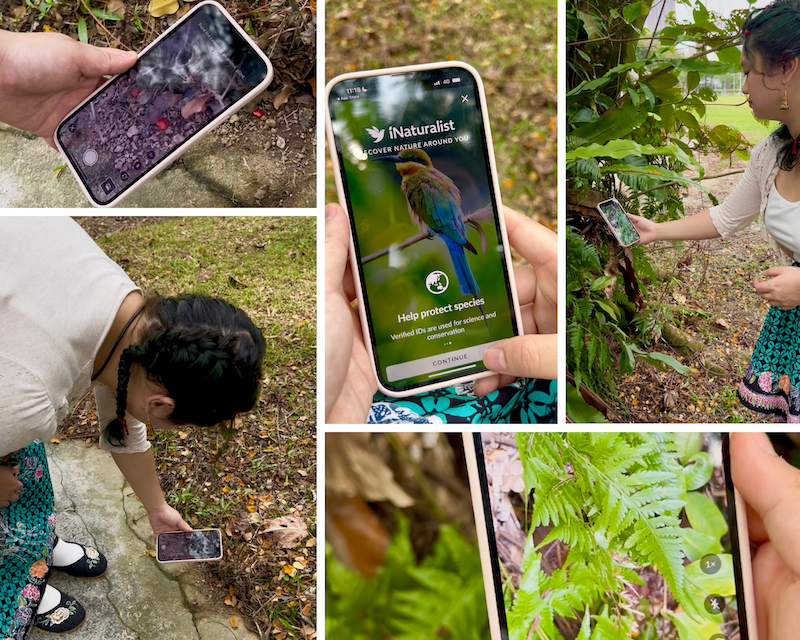

How using your phone to listen to birds can monitor ecosystem health and be addictively fun.
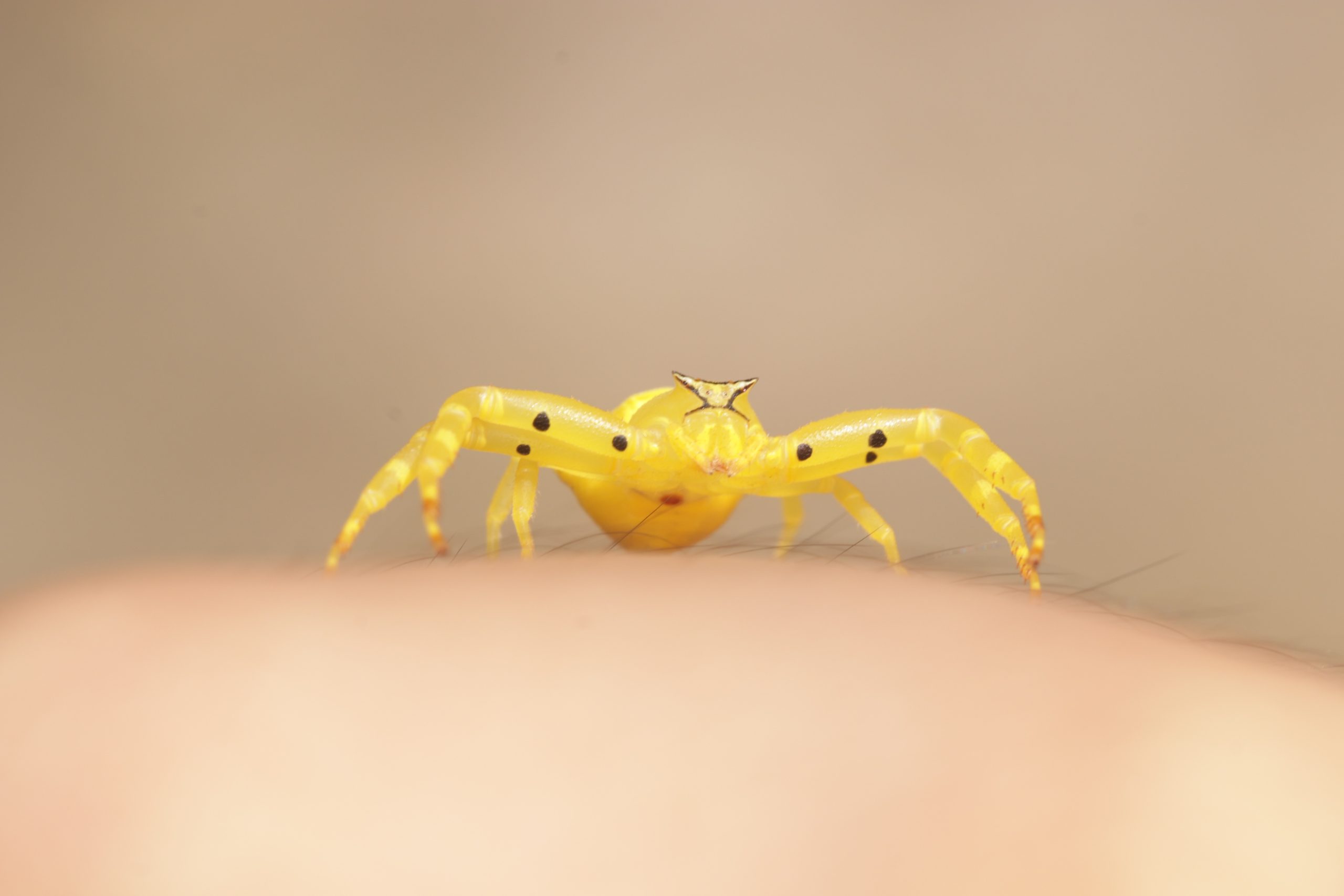
SpudnikLab’s editor Melissa De Silva falls in love with spiders, through passionate guide, citizen scientist and entomologist Finn Tan
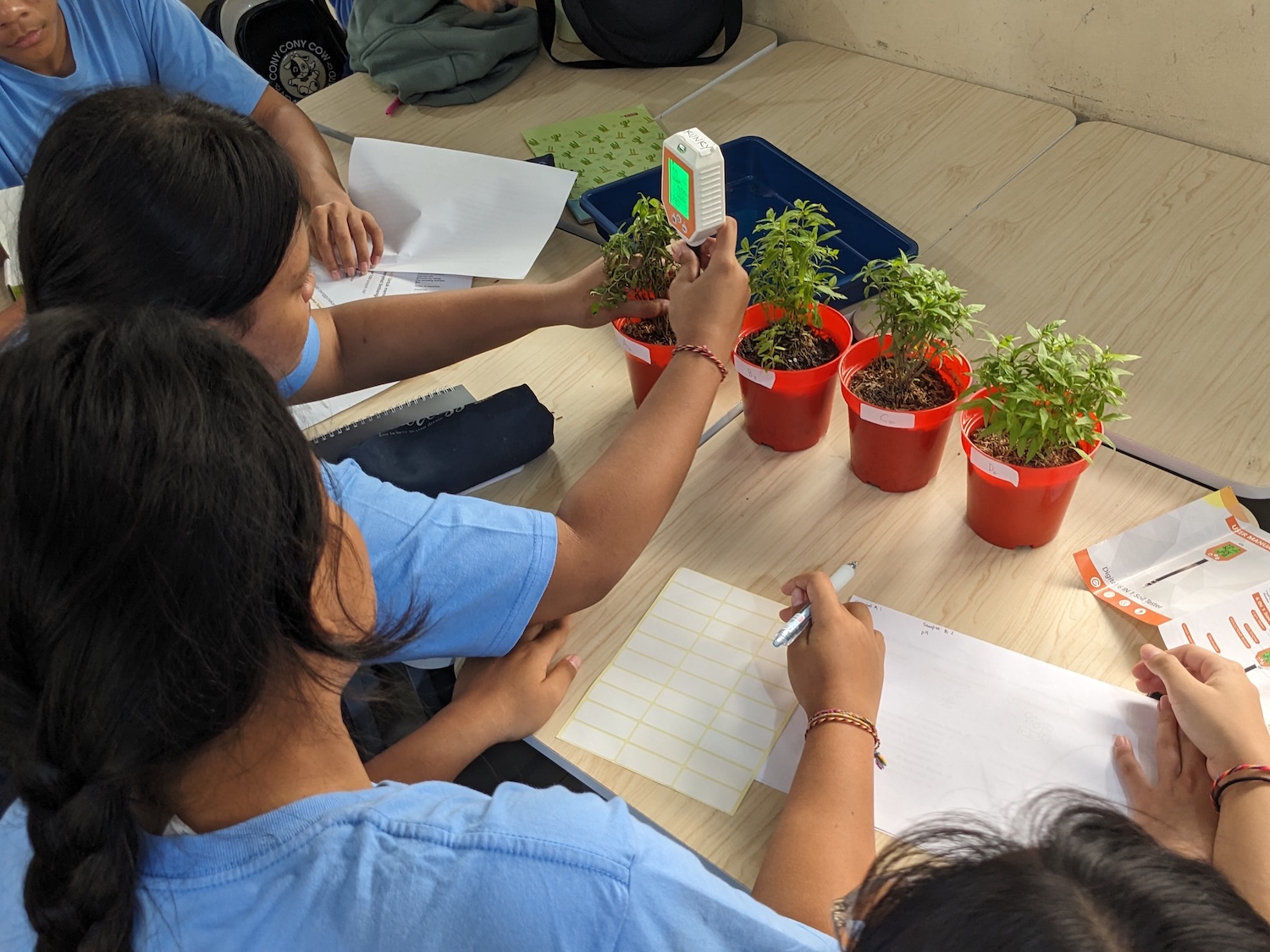
In July 2025, SpudnikLab brought their Science Kit prototype to SMP Negeri 3, a middle school in Denpasar, Bali. What unfolded was a glimpse into how accessible, low-cost scientific tools can transform not just what students learn, but how they see the world around them.
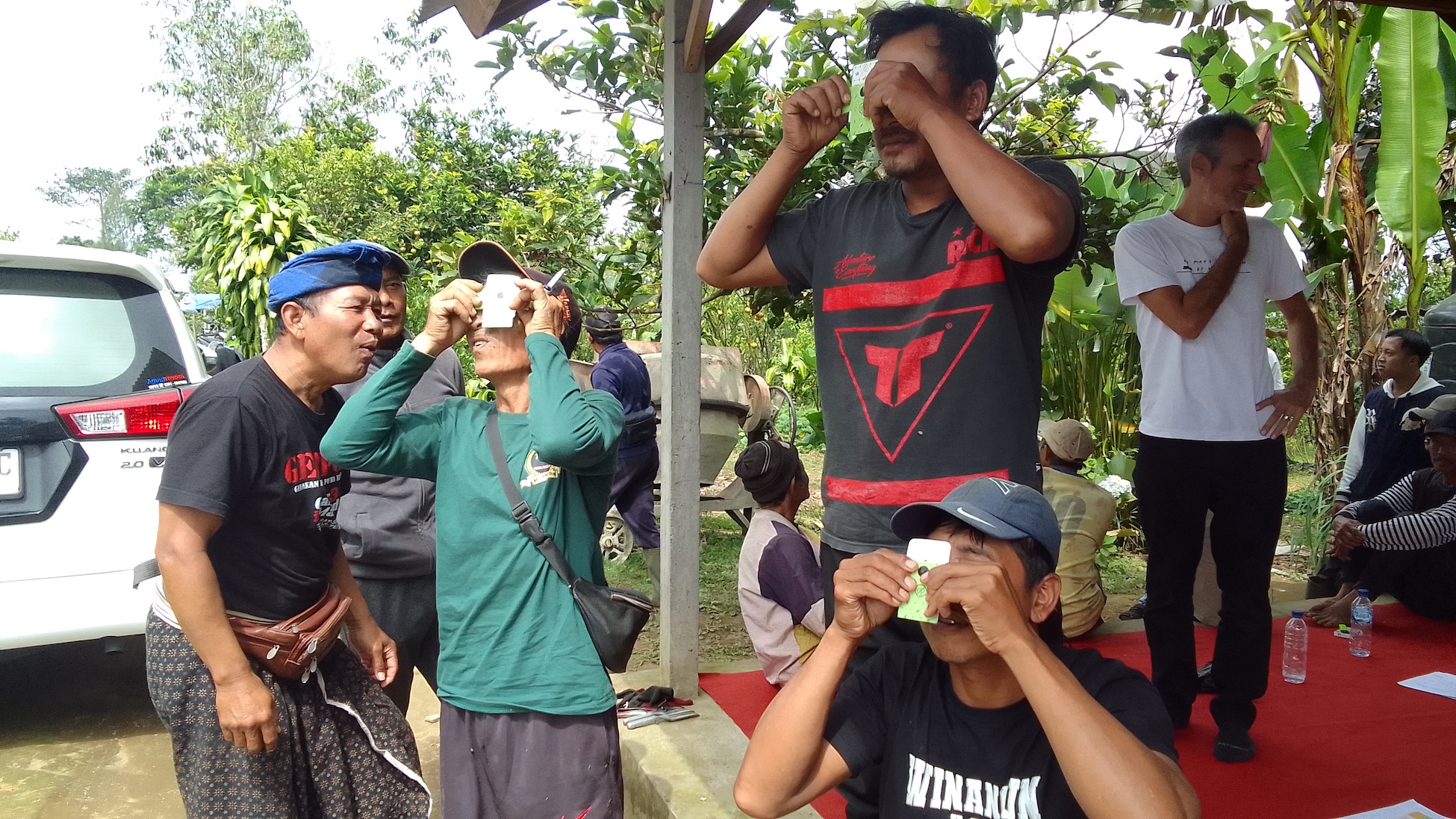
Scientific literacy enhances agricultural systems in rhythm with nature for these Balinese orange and coffee farmers in Kintamani, through the low-cost tools of a soil sensor and inexpensive microscope in SpudnikLab's Science Kit prototype.
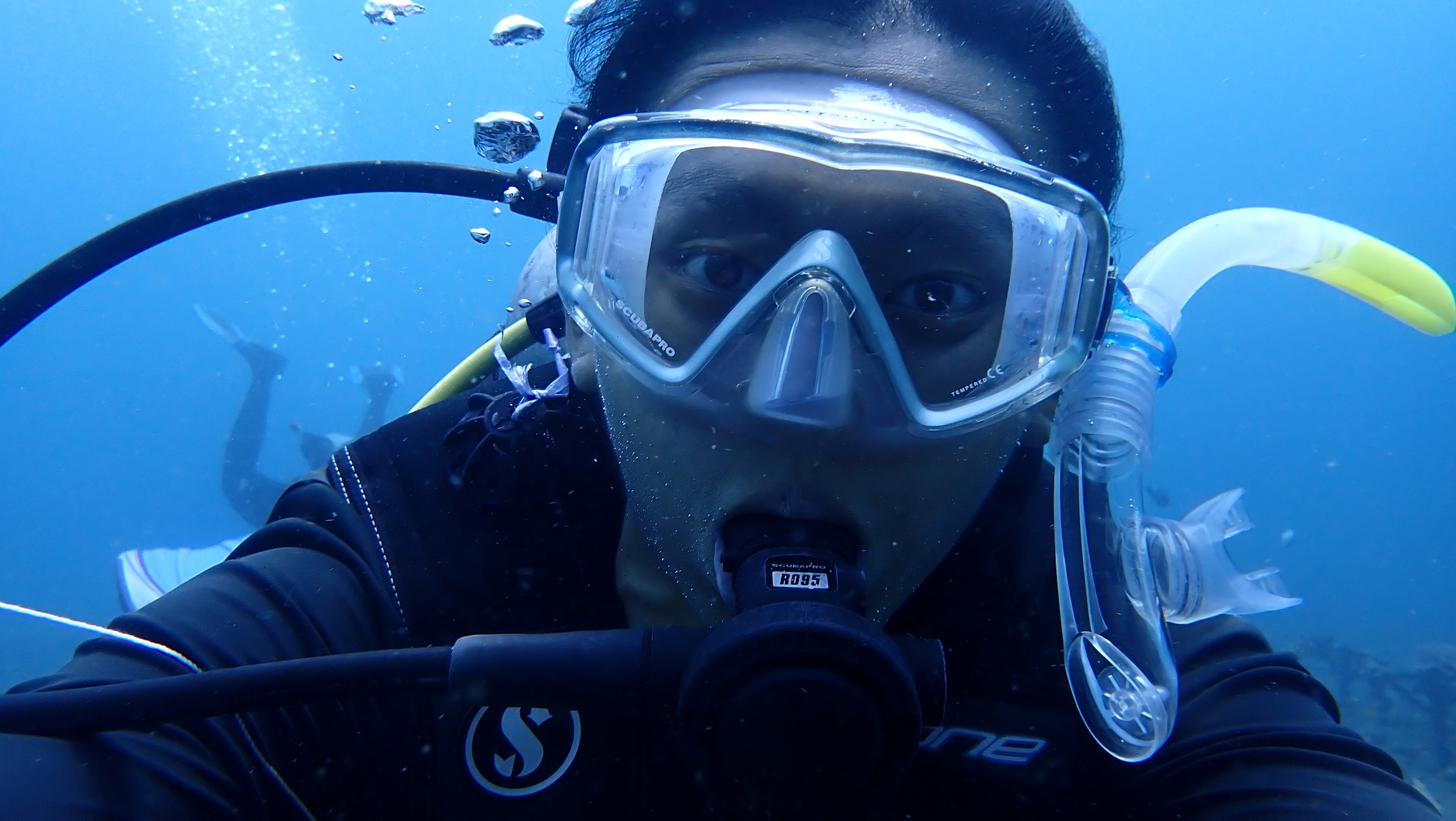
How a marine conservation internship in Bali with Sea Communities taught a university student from Singapore about night diving, using a clipboard underwater and citizen science data-gathering for coral reef restoration.
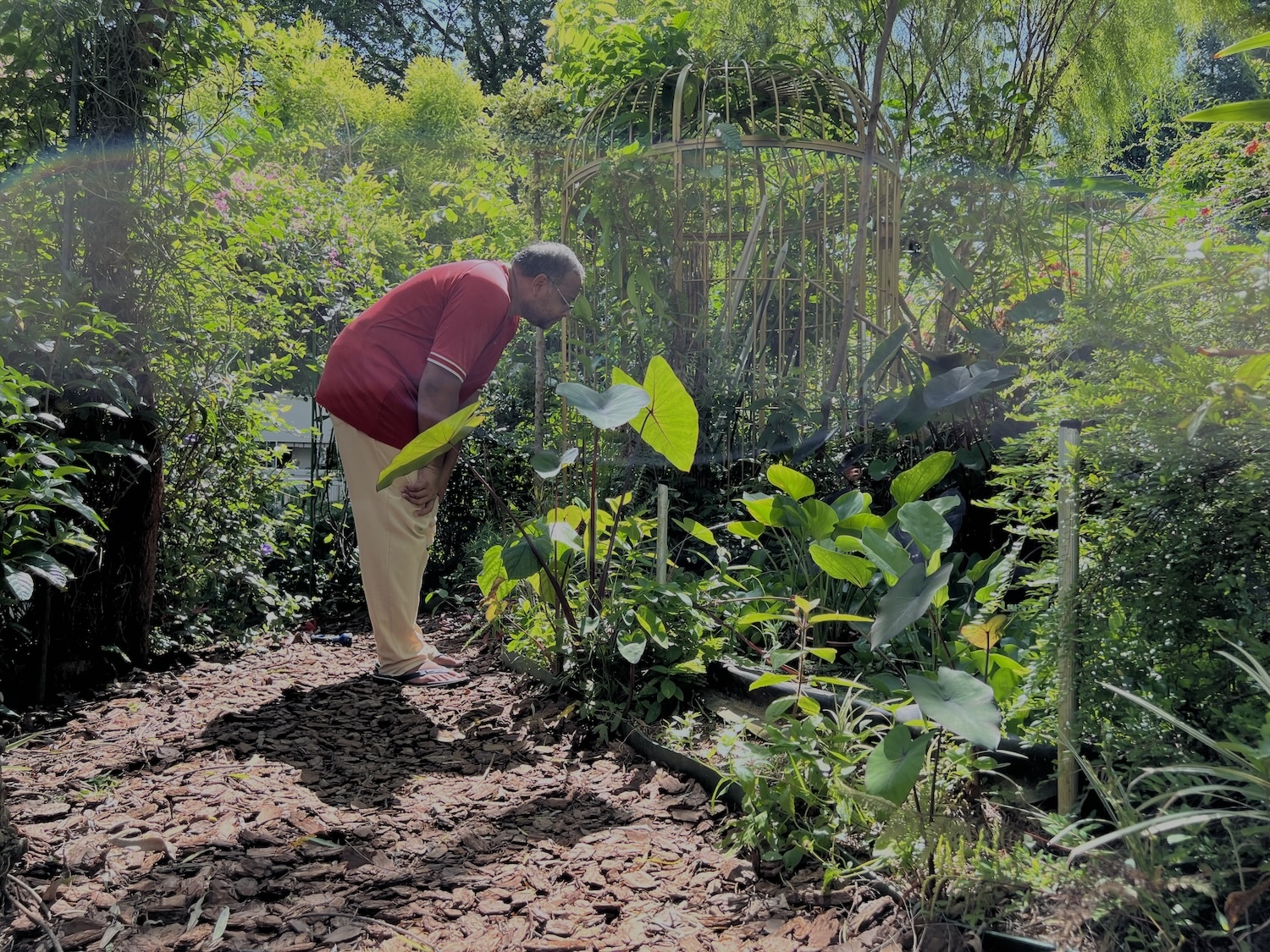
A bare hill slope transformed into a buzzing ecosystem of over 600 species of plants and animals, starting with one person's vision and dedication.
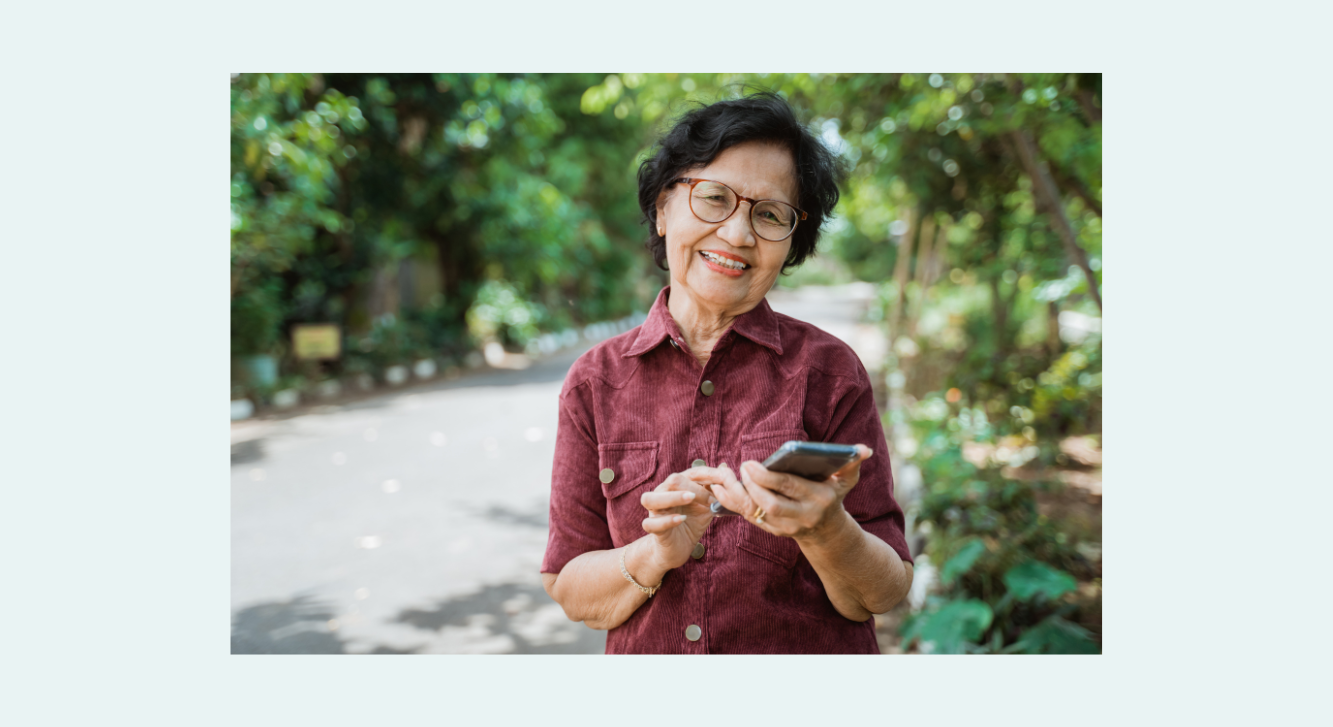
SpudnikLab's new D.Lit Low Vision Toolkit equips those with vision difficulties navigate smartphones with greater ease.
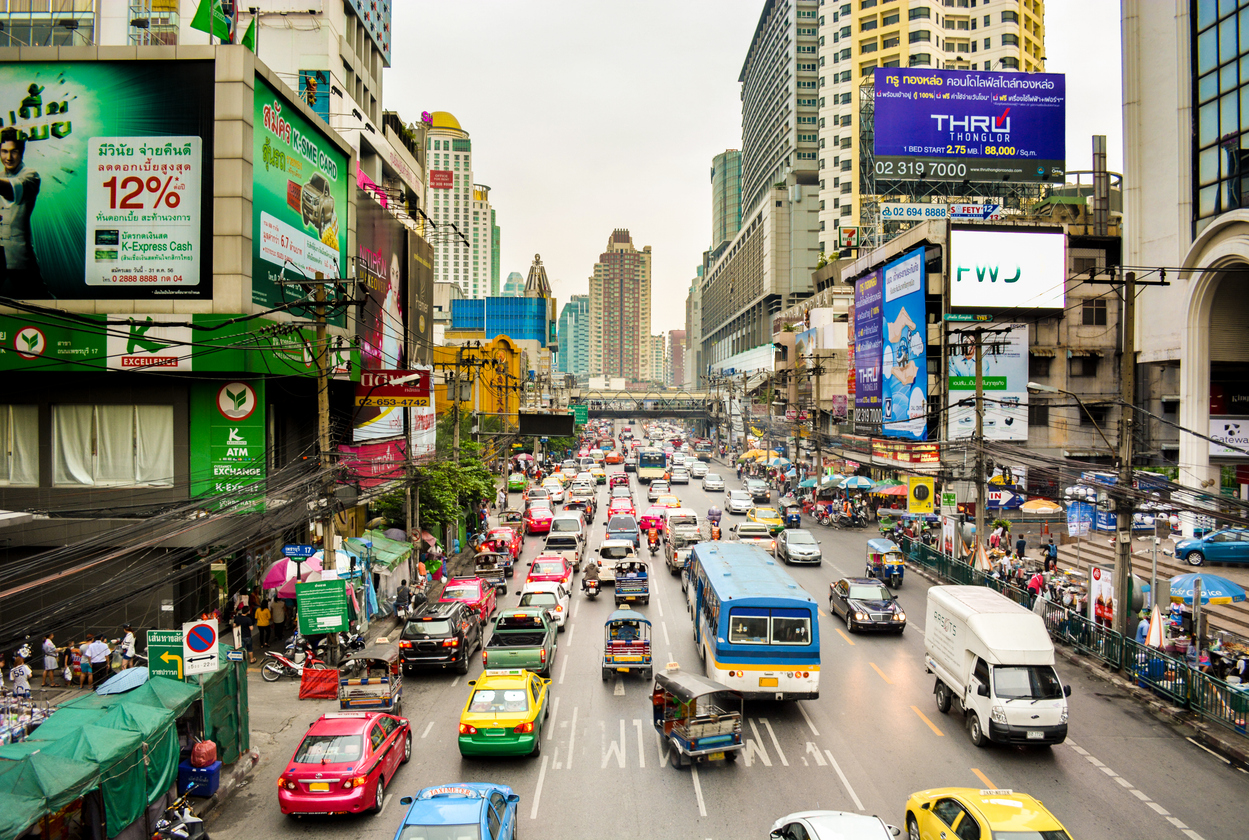
In this third post in SpudnikLab’s series on the reasons underlying the digital divide (the...
What does the digital divide around the world look like? In the second post in this series on the barriers to internet access, SpudnikLab explores digitally marginalised groups caught in the deep-rooted rivalry between two economic giants.