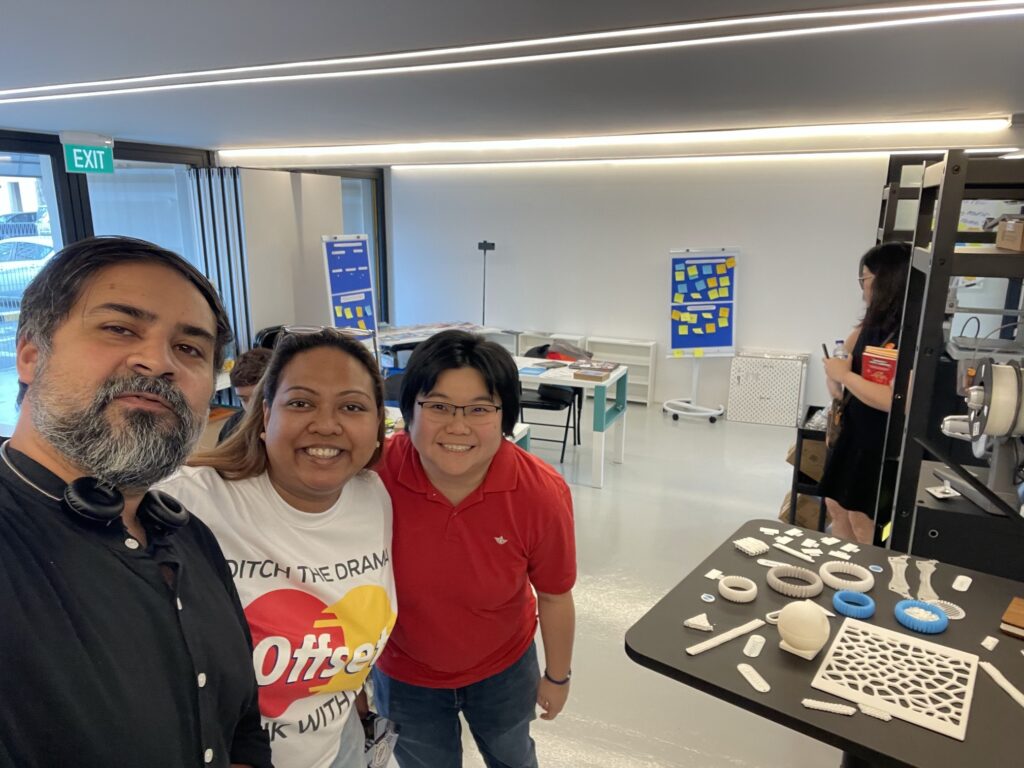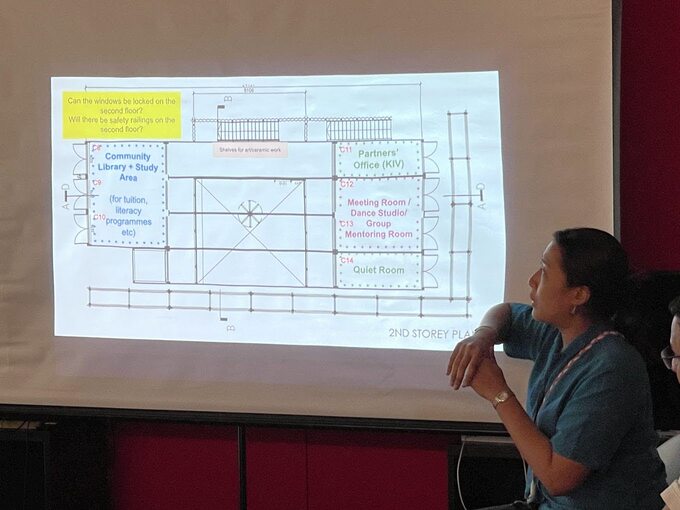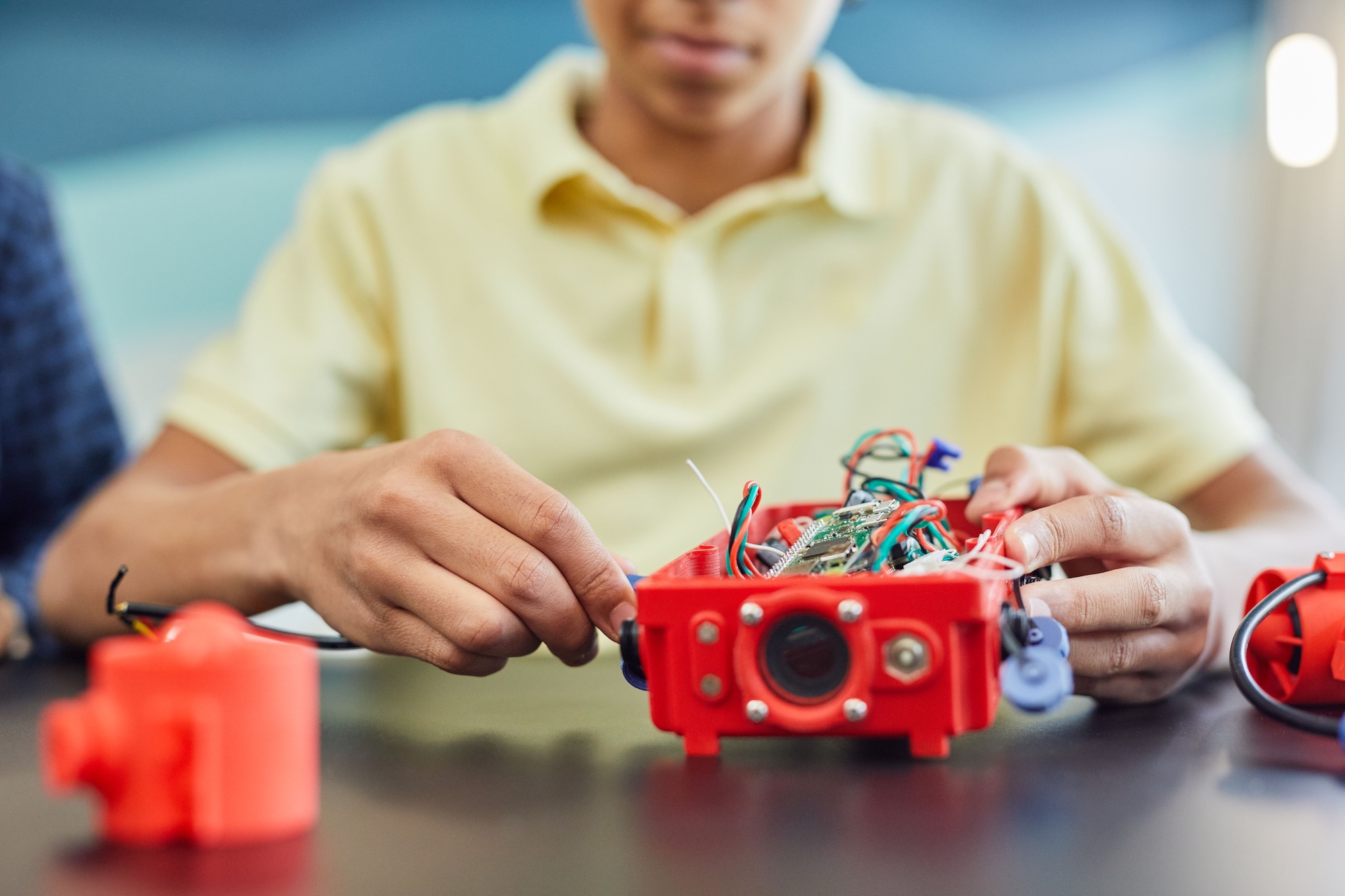
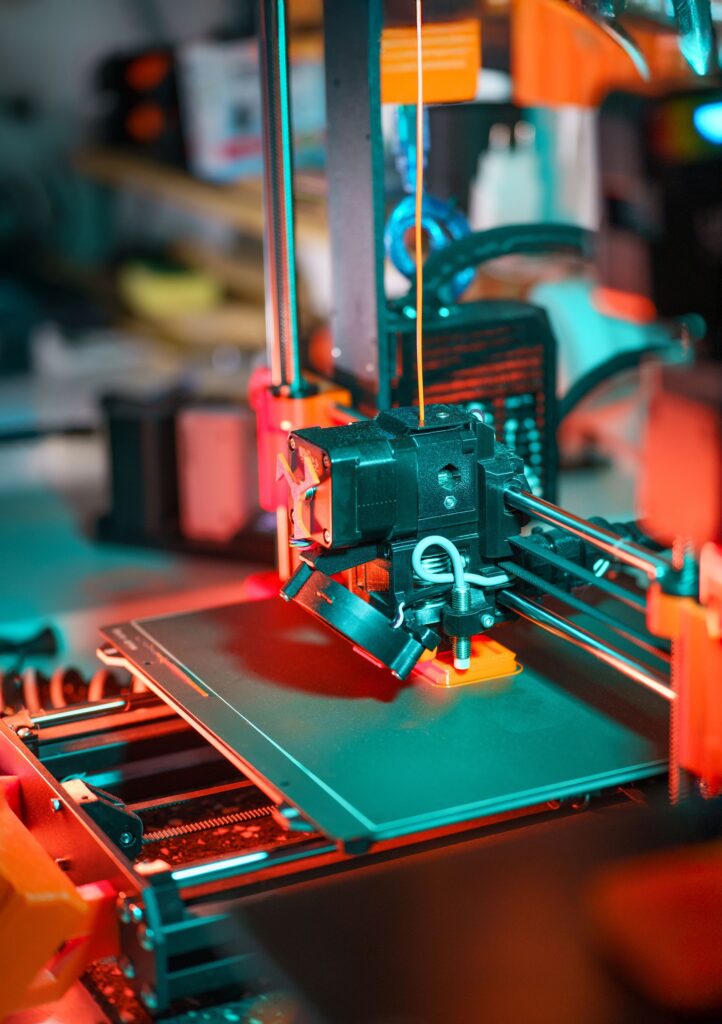
A makerspace is a workshop space where people come together to collaborate on inventing, creating and learning. Such spaces offer a combination of low- and high-tech tools, which can range from advanced digital machines to basic craft supplies. Examples are 3D printers to build plastic objects layer by layer, laser cutters to slice or engrave wood and acrylic, and CNC (Computer Numerical Control) routers, which are computer-guided cutting machines that use a high-speed rotating spindle to cut, carve, and shape materials.
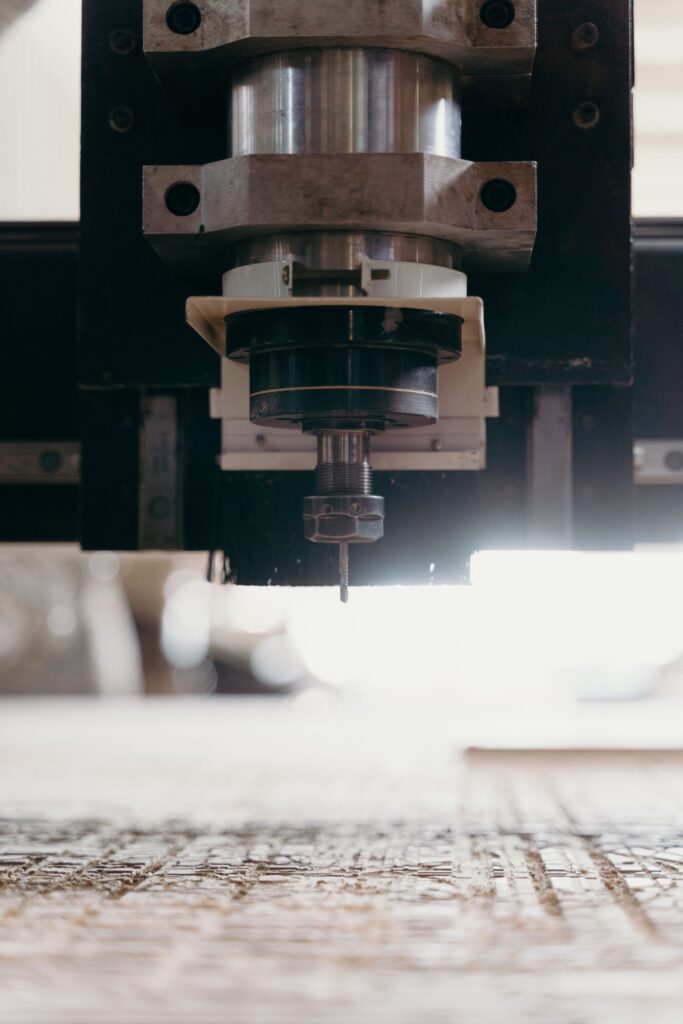
Other common tools found in makerspaces include soldering irons to join electronic components, sewing machines for textile and fabric craft and art supplies like cardboard, glue, and paper. Schools, public libraries, universities and community centres are typical venues for makerspaces.
Makerspaces strengthen diverse connections among people in a community and foster a sense of belonging
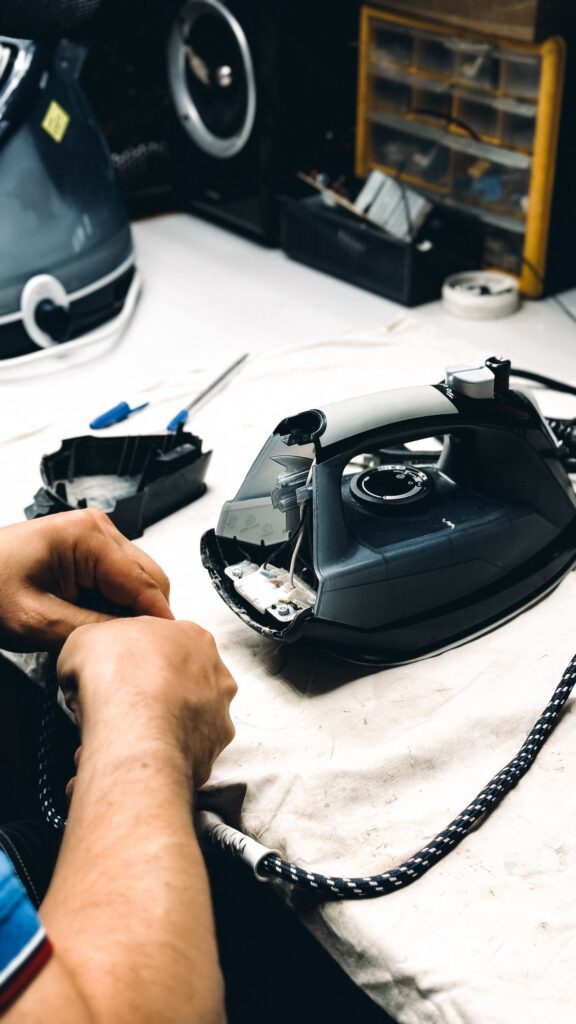
By sharing one or a few sets of tools instead of individuals buying their own tools, waste is reduced. People also go to makerspaces to fix items such a broken household appliances, electronics and furniture, rather than throwing them away, so this teaches repair culture, extends product lives and cuts down on consumption and the Earth’s resource use.
Waste materials like scrap wood, acrylic and textiles are repurposed into new consumer goods or art projects, contributing to a more cyclical use of the Earth’s resources.
3D printers and CNC machines allow makers to produce parts on demand, only when needed, reducing surpluses from mass production and warehouse waste.
Many makerspaces also function as mini laboratories for material testing, where makers experiment with bioplastics made from food waste like algae, mushroom mycelium and coffee grounds.
Open learning education, skill and knowledge sharing
The open learning culture empowers the sharing of knowledge and open-source designs. People benefit from shared digital blueprints by being able to manufacture items locally, using recycled plastics or bio-based filaments, rather than shipping finished goods globally, saving on resources and reducing carbon emissions.
Some makerspaces run dedicated workshops on sustainability concepts like zero-waste design, energy efficiency and eco-friendly material choices.
Makers interested in frugal innovation and appropriate design often use makerspaces to prototype green tech. These on the ground innovators use rapid prototyping tools to build low-cost solar devices, urban farming sensors and water-filtering prototypes.

Follow SpudnikLab on Instagram for updates on workshops and activities at the Potato Productions Makerspace @Beacon.