In the small town of Tonawanda, New York, Jackie James-Creedon was diagnosed with fibromyalgia, a neuromuscular disorder that affects the nervous system. It wasn’t until she met someone else in her community with similar symptoms that she began to suspect something was amiss.
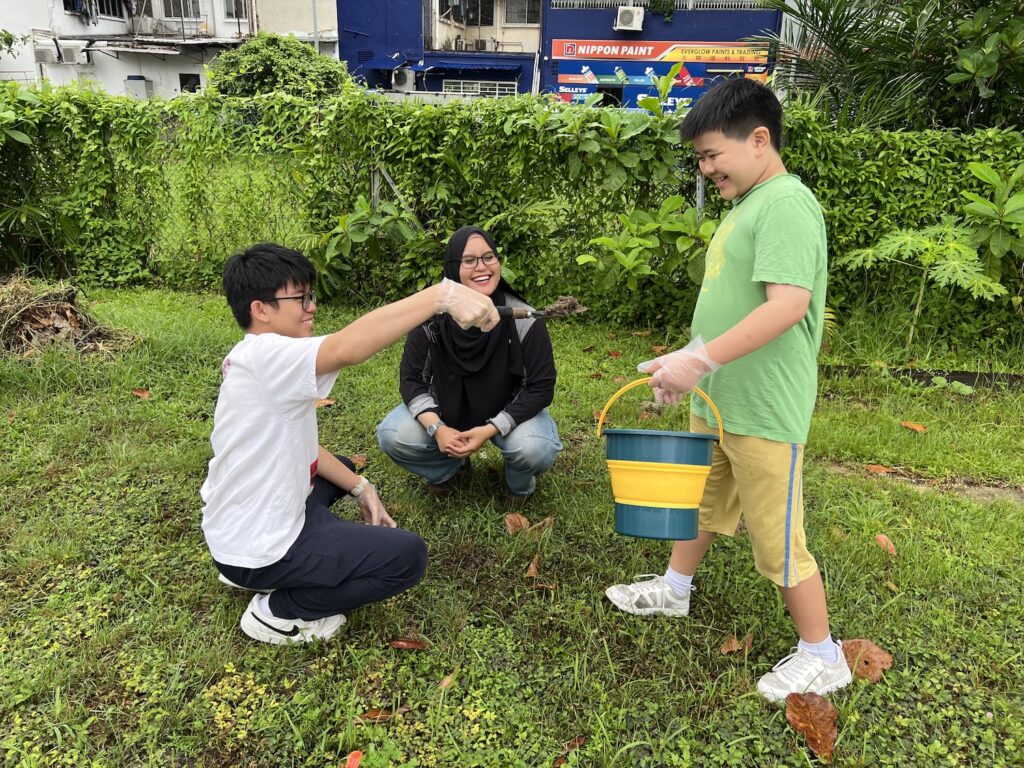
With the Clean Air Coalition, a group she founded, she armed herself with a 5-gallon bucket, plastic baggies, and a hand-held vacuum to test the air. The homemade air monitor found high levels of benzene, a known carcinogen, and other chemicals.
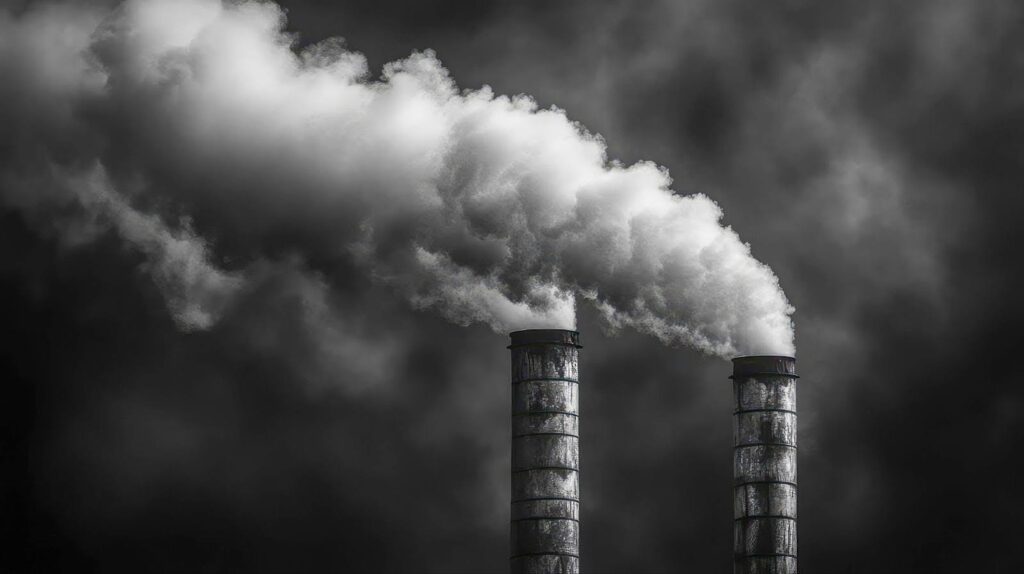
It would be discovered later that the plant, owned by Tonawanda Coke Corp, had underreported emissions for years . But it would be another five years before state regulators took action, and another four for criminal trials to begin. They were indicted with 19 counts in a landmark conviction of violating health codes in 2013.
Not every project means taking up arms against big corporations or enduring years of red tape. But small, persistent efforts from everyday people have long played a quiet role in shaping and protecting our environment.
And today, the bar to entry is lower than ever. Sometimes it’s as easy as snapping a photo of some flowers on your walk or recording a bird call from your window.
According to the SETI Institute & Unisteller Network, last year saw a record-breaking number of citizen science observations, with more entries logged across a wide range of fields.
It’s been a few months since I covered citizen science projects like the Woodlands Botanical Gardens and apps like bird logging. Having relocated to Seoul recently, I find myself relying on these apps to find out more about the wildlife around me. Now, when I hear a familiar squawk on my way home, I know it’s an oriental magpie.
It’s everyday loggings like this that often build up to real change that aids scientists in their research and conservation efforts. Here are a few ways citizen science has shaped our understanding of the biodiversity around us.
Journaling Jellyfish
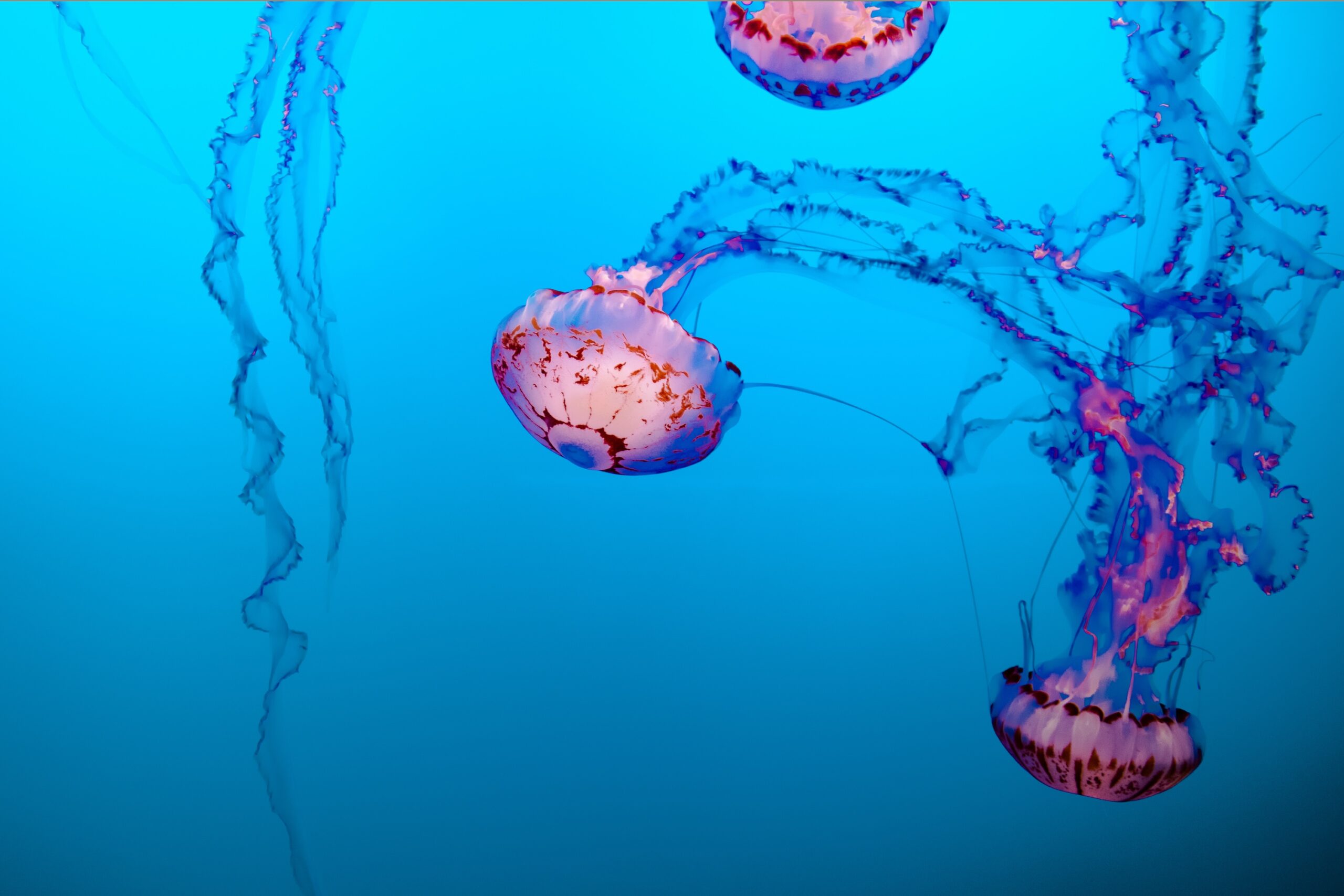
For this project, citizens snapped pictures of jellyfish and logged quick sightings while at the beach. Each entry took less than five minutes but has immensely supported research into these delicate creatures.
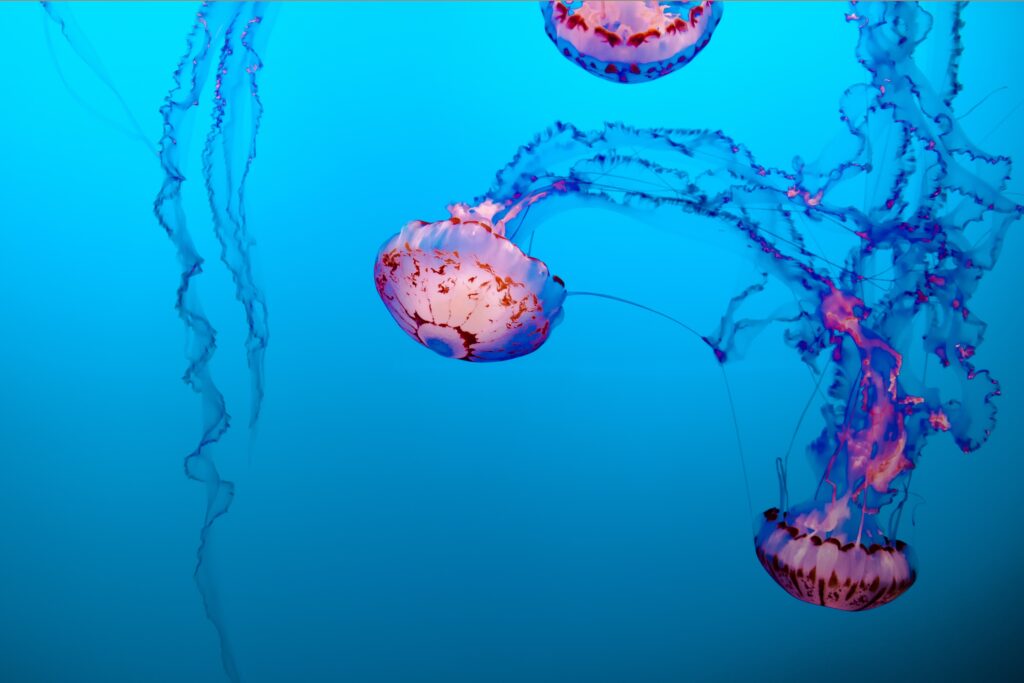
With over 200 species and a long history dating back to over 500 million years, jellyfish are among the oldest multi-organ animals on Earth. They can be found in all five oceans and are crucial to the marine ecosystem, considered mostly as a keystone species in most oceanic food webs.
According to the Marine Conservation Society, jellyfish are also an important part of the diets of sunfish, spadefish, crabs, and other large crustaceans—making their survival essential to countless other species.
“Even after life, jellyfish continue to sustain marine species, with deep-sea creatures like hagfish feasting on jellyfish remains soon after they fall to the bottom of the ocean.”
But tracking their movement isn’t easy.
In recent decades, the experts have failed to recognise the rise of jellyfish due to difficulties in monitoring their comings and goings. So a citizen science programme asked beachgoers for help to log sightings of jellyfish wherever they came across them.
“Citizen science has been successful in monitoring jellyfish at a broad spatial scale, identifying regions where jellyfish-related disturbances are perceived,” said a study published in July 2025.
From 2009 to 2016, more than 19,000 jellyfish sightings were logged along the Italian coastline. These logs gave researchers a much-needed baseline and even surfaced rare species that might have otherwise gone unnoticed.
The data provided gave “reliable records of key jellyfish species, leading to mapping their distribution over time and identifying sub-regions primarily affected by bloom events in different periods of the year”, said the study.
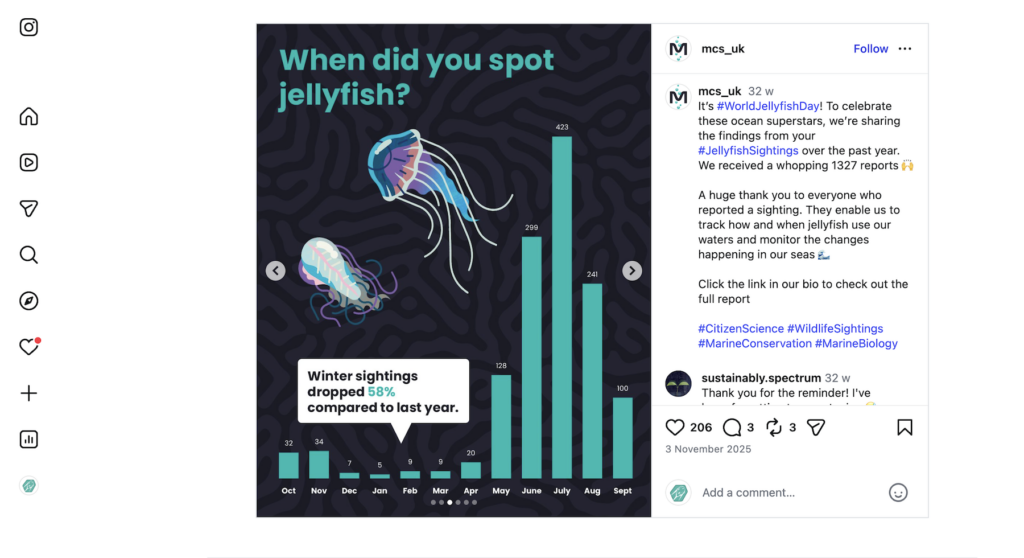
In another programme by the Marine Conservation Society, 1,327 jellyfish sightings were logged, noting that winter sightings in 2025 dropped by 58 per cent since 2024. Valuable data that would have otherwise been unknown.
So the next time you’re at the beach, take a moment. That jellyfish bobbing near your feet might just be the data point that changes how we protect the oceans.
Counting Caterpillars
Chemical ecologist Tara Massad collected thousands of caterpillars in Mozambique to document and map interactions between species and the path to conserve them.
“If you give a caterpillar a leaf, chances are he’s going to tell you about the state of the world,” said science media outlet Nautilus in an article about the project.
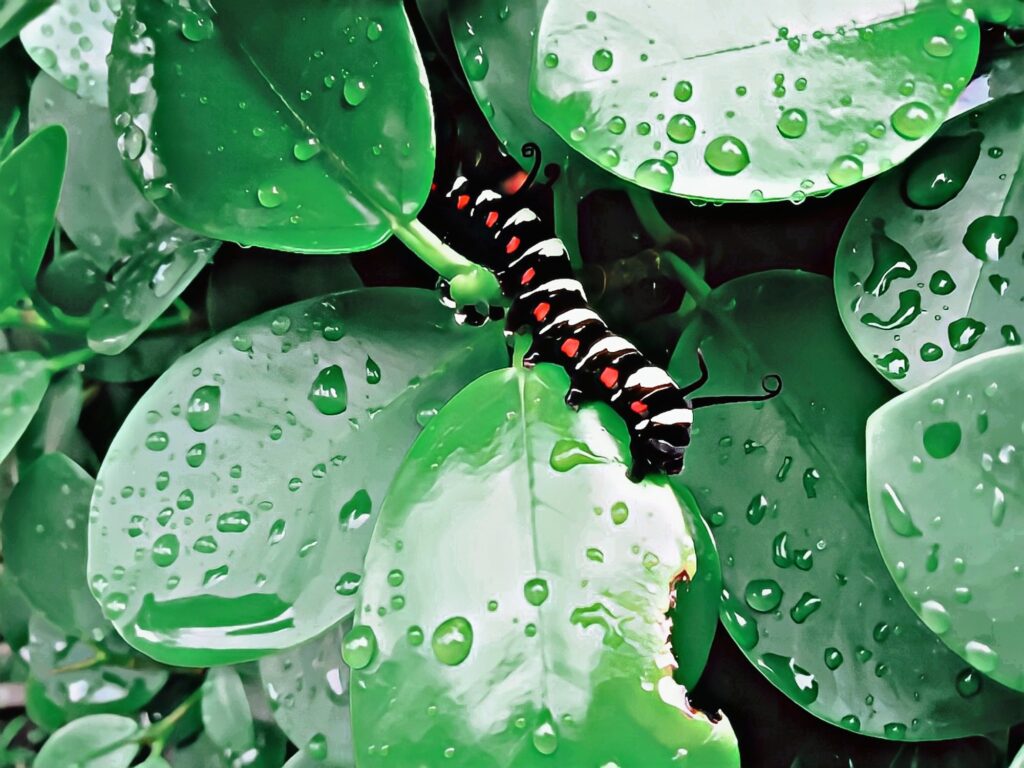
Just like jellyfish, insects form the backbone of ecosystems—in forests, parks, and even city gardens. They are food sources for birds and wildlife, and they greatly affect the health of our forests and crops.
The project “Caterpillars Count” aims to know whether caterpillars are emerging earlier than usual as the timing of spring shifts with climate change.
“This information can also help us understand whether migratory birds are migrating earlier enough to take advantage of those important food resources which they count on for successfully raising their young,” the project website explains.
Participants conduct surveys on trees and shrubs, recording every arthropod—a category that includes caterpillars, spiders, and beetles—they spot. As time progresses, individuals can also play the project’s virtual survey game to test if they can recognise their arthropod friends better.
Not only is the used by scientists to study how caterpillars move and change with the seasons, it’s also open to the public to explore and analyse.
In 2025 alone, there were 2,468 data contributors and 357,000 arthropods observed. Without citizen data, scientists would be left guessing and our understanding of the area would be much poorer for it.
Finding your own project
Embarking on your first citizen science project can feel daunting. There are so many options that it’s easy to feel overwhelmed.
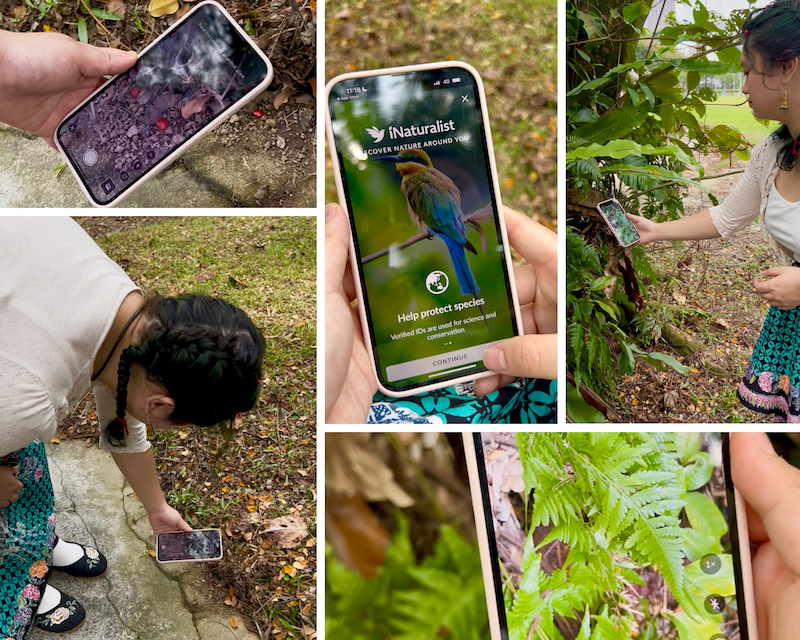
The easiest way in? Try and app like iNaturalist, where you can begin with zero pressure. All you need to do is take pictures and upload them whenever you come across wildlife and flora as you go about your day.
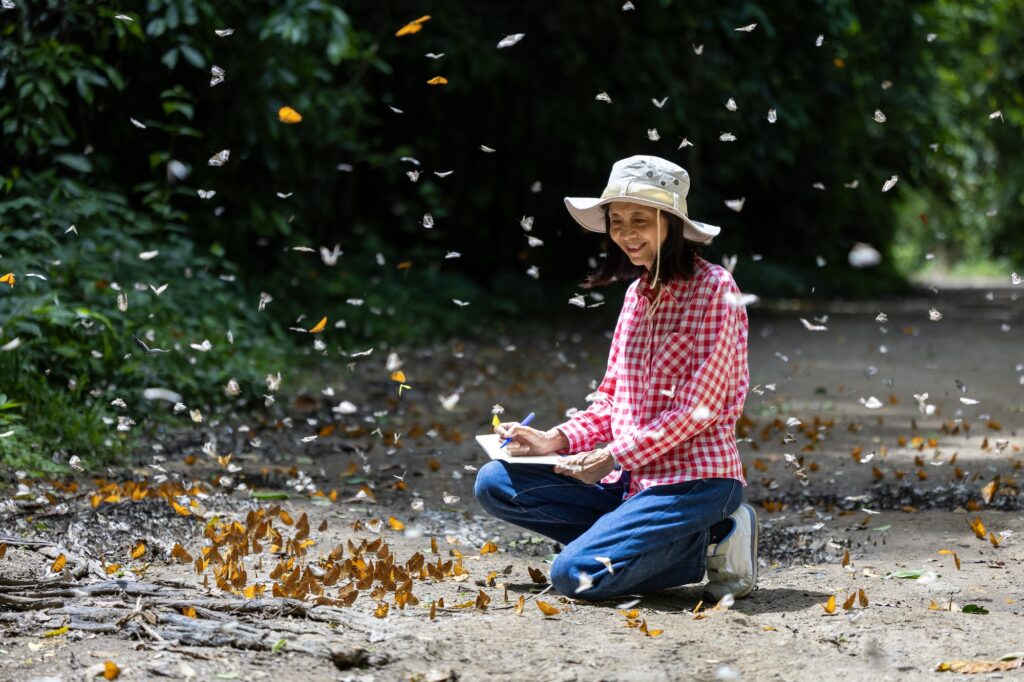
Everything counts. From a pigeon in your neighbourhood to a rare orchid at the park, each observation adds to a global database that helps researchers monitor biodiversity patterns.
Bonus point: You get to learn about the types of animals, flowers, and trees around you while you’re at it.
If birds are more your thing or you happen to live somewhere you see them often, try out the BirdWeather app that lets you record and identify bird calls. Read our post on it, where I write about my experience using the app.
Alternatively, there are also current projects that scientists and researchers are working on that actively need citizen data to work. Websites like Zooniverse, Nation Geographic Society, or even NASA have ongoing initiatives that you can join.
From cloudspotting on Mars to counting penguins in a photo, there are more types of citizen projects than you can imagine.
And while you’re contributing to real-time research, you just might find a community and learn a thing or two along the way.