With the rise of citizen science programmes in Singapore, as more home-grown initiatives take root, Singapore is discovering that community-driven efforts can make a meaningful impact on conservation.
The idea that conservation should be left solely to experts is quickly becoming outdated and increasingly untenable, given the scope and scale of environmental issues demanding the attention of conservation scientists and other professionals in the scientific fields.
Singapore recognises this too.
In 2024, a study published by National Parks Board Singapore described citizen science as bridging knowledge gaps and mitigating resource limitations, which is quickly becoming an emerging strategy of data collection and research.
Singapore and its growing citizen science base
In an email interview with SpudnikLab, Professor Chou Loke Ming, a marine conservationist and emeritus professor at National University of Singapore, says, “Citizen science initiatives have expanded greatly in Singapore.”
He recalls that such initiatives began in the late 1980s, with four or five groups. Now, there are many more.
“What is significant is that there are different modes, some run by scientists and institutions reaching out to volunteers, some run by individuals with passion or belief in conservation, and some run by nature societies or civic groups.”
Intertidal Watch: An intertidal ecosystems monitoring citizen science initiative
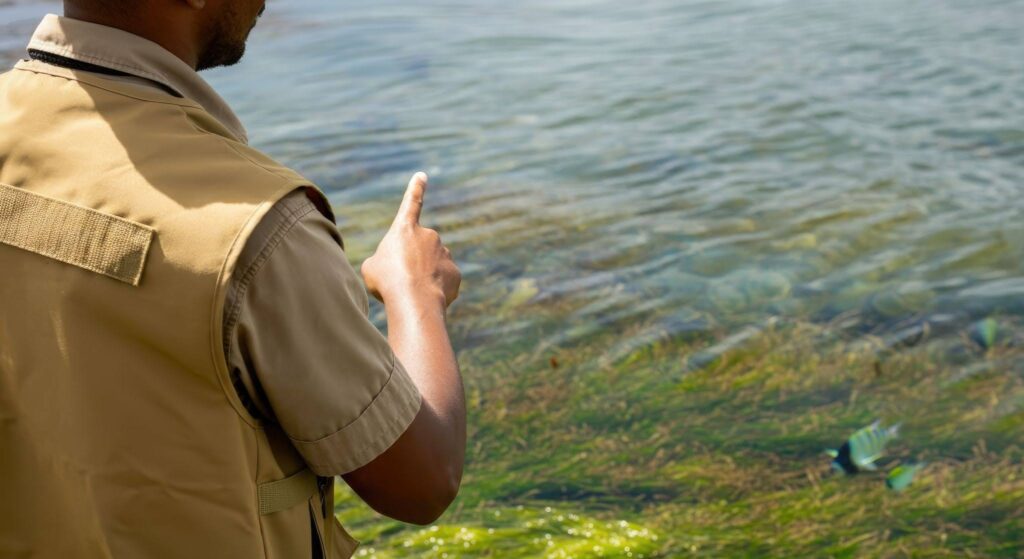
Intertidal Watch was created by the Singaporean government’s National Parks Board (NParks) in 2016, to better understand and monitor Singapore’s urban tropical intertidal ecosystems. NParks also hoped to raise public awareness and involve the community in citizen science.
Within the first eight years of the Intertidal Watch programme being run, 582 volunteers participated in projects, with 50 of them consistently supporting the initiative. The same study highlights the effectiveness of citizen science in facilitating systematic conservation while reaping community benefits—it revealed that Intertidal Watch volunteers logged 168 faunal species and 2 floral species.
“Over the eight years of consistent data collection, Intertidal Watch has been able to elucidate the spatial and temporal trends of ecological assemblages across a range of sites,” said the study, adding that such data sheds further light on potential ways to sustain native biodiversity.
Community in Nature: Community data gathering is a core pillar
In September 2011, Singapore introduced the The Community in Nature (CIN) initiative, a national movement aligned with the country’s National Biodiversity Strategy and Action Plan. Citizen science programmes is one of its five pillars.
Since its inception, NParks have created multiple projects for citizens to join under the Community in Nature umbrella. From gathering data on butterflies, monitoring garden birds, tracking herons across the state, and Intertidal Watch, it’s clear that community data gathering will be vital in the future of conservation.
Advancements in technology = Advancements in citizen science
Professor Loke says that the biggest change to citizen science in Singapore is “the science itself.” “Science has advanced and scientists can focus more clearly on issues that need further investigation, leading to the optimisation of citizen science. Validation tools have also improved so it is easier to ensure data quality.”
“Monitoring tools have also improved so that it is easier for citizen scientists to obtain field data without having to go through weeks of training. In Singapore, science and management capacities have grown, and there is growing confidence in citizen science.”
In other words, advancing technology now makes it easier for citizens to contribute to scientific research, freeing up scientists to focus on areas requiring specialised skill and professional expertise.
Training citizens, arming citizen scientists
Equipping volunteers with the knowledge and skills is the next important step in the citizen science front.
The same NParks study presented that the success of Intertidal Watch was owed not only to a steady recruitment of volunteers but also adequate training and robust data verification processes.
Said the study, “Through thorough volunteer training, visual ID guides on site, identification by group consensus, and an additional round of data verification post-survey, Intertidal Watch ensured the accuracy of data as best as possible, a challenge that many citizen science programs face.”
Therefore, it appears that for Singapore to grow its citizen science efforts, it needs to focus not only on building a community of individuals who are consistently participating in projects, but also training citizens in different forms of data collection and specific skillsets.
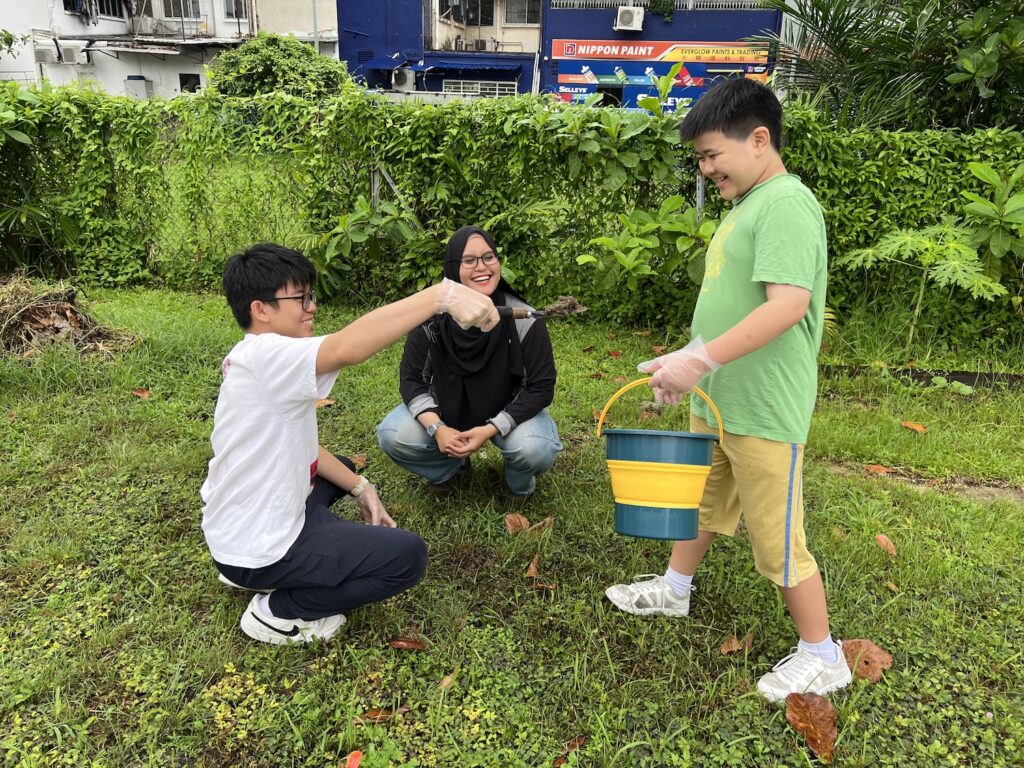
One of the other five pillars of the Community in Nature is ‘Nature Education’. This refers to a range of programmes curated to ignite an interest in conservation and expose children to biodiversity. One of these programmes has students take part in citizen science initiatives.
Students in the programme are trained to execute nature outreach activities and become more comfortable discussing topics related to conservation. They are also encouraged to participate in existing projects to gain experience in collecting data.
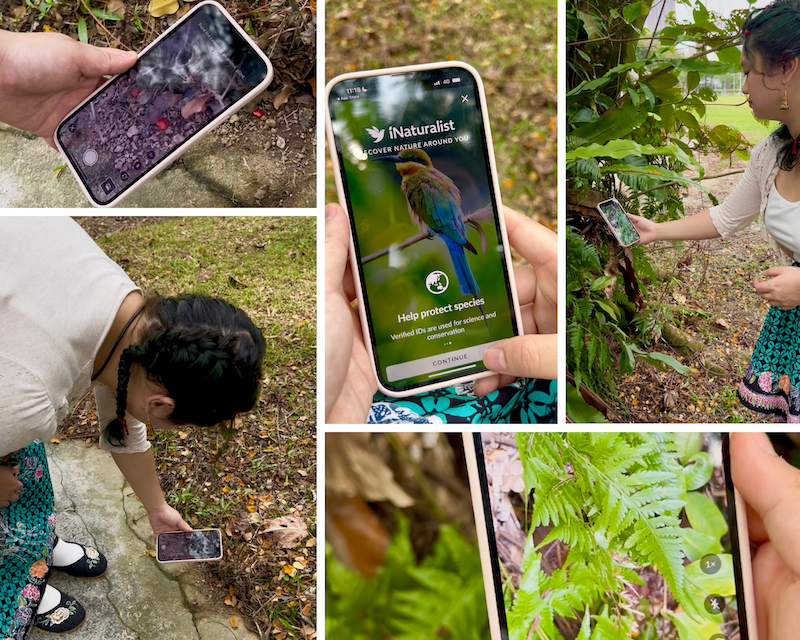
As mentioned in our previous blog posts ‘Learning to Listen: How a Bird Call ID App is Transforming Conservation’ and ‘INaturalist Turns 18 Today! 3 Reasons Why We Love the Citizen Science Biodiversity App’, contributing data to citizen science projects globally has never been easier. Some projects require only a snapped photo, an audio snippet or just a few clicks. More data-intensive projects do require more training, but some organisations are eagerly stepping forward to tap the resource pool of the general public, and training them for free.
For example, the Cyber Spotter Programme, hosted by WWF-Singapore. Some of the world’s most endangered species are under threat from online listings, making illegal wildlife trade an imminent threat. The Cyber Spotter Programme takes a systemic approach to detect and take down illegal wildlife ‘product’ postings on digital platforms, by selecting volunteers who undergo rigorous training to learn how to identify such illegal wildlife listings.
Since its inception, over 650 volunteers have been trained, and over 33,000 suspicious wildlife listings flagged. That is a massive contribution by ‘ordinary’ citizens who are dedicated to tackling the problems of poaching and illegal wildlife trafficking.
Citizen science collaboration across geopolitical borders
As homegrown citizen science initiatives flourish in Singapore, collaborations between the city-state and the surrounding region have also grown. Organisations such as the Jane Goodall Institute are one of many that bridge the gap between the countries while fostering citizen science.
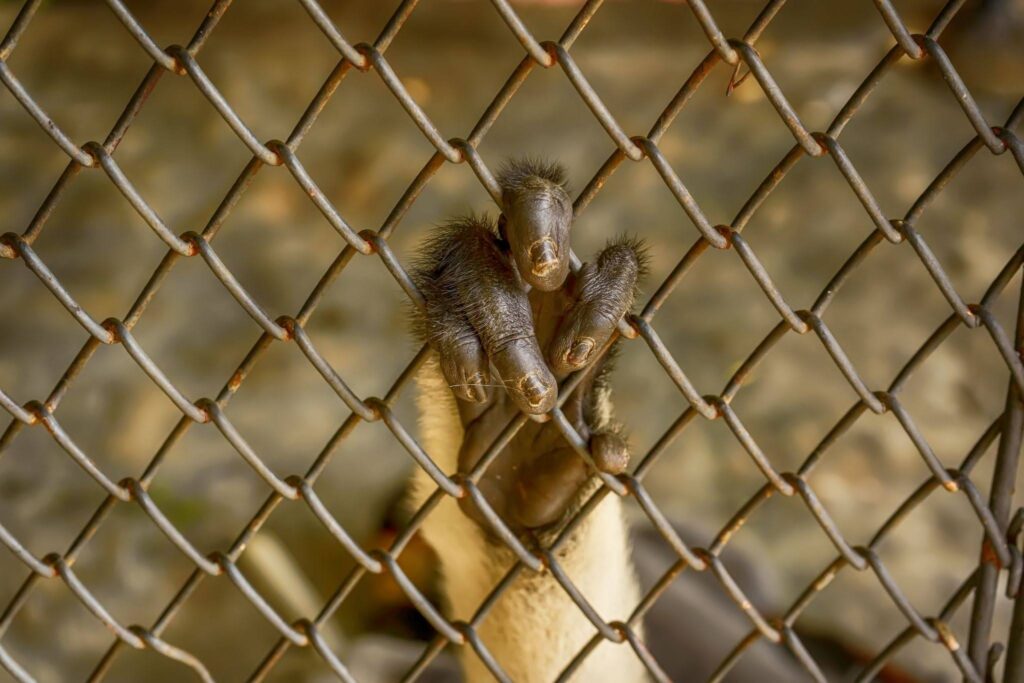
A collaborative effort between several other organisations in Singapore and Malaysia—such as the Wildlife Reserves Singapore, NParks, local universities and the Jane Goodall Institute in Singapore and the Malaysian Nature Society (Johor) and the Department of Wildlife and National Parks of Peninsula Malaysia (PERHILITAN)—has brought the two countries together to save the Raffles’ banded langur (Presbytis femoralis), also known as the banded leaf monkey.
One of three sub-species of banded langur, it can only be found in Singapore and Malaysia. The banded langur is listed as critically endangered in Singapore because of dwindling population size due to habitat loss due to deforestation from land development. In 2011, there were only 40 Raffles’ banded langur monkeys remaining in Singapore, where they once were numerous.
The effort involved volunteers carrying out surveys at Singapore’s Central Catchment Nature Reserve, where the langurs have made their home. Volunteers record crucial data like group sizes, behaviour and any other details they can observe. All this information greatly helps scientists decide on the best ways to protect the species.
In an interview with Mongabay earlier this year, Mandai Nature researcher Andie Ang said that the Raffles’ banded langur population “has doubled to today’s 80 [in 2026] from only 40 individuals in 2011.”
Do these initiatives position Singapore as a regional citizen science hub?
But for all of Singapore’s resources and growing community, can it be considered a ‘hub’ for the region? And is it even meaningful to aspire to be?
As successful as these regional collaborations may be, they do not signify Singapore becoming a central hub for the region.
While Singapore is seemingly well-positioned to be a regional centre for citizen science, Professor Chou does not think this is “feasible” at the moment. He explains why.
“Citizen science is more efficient at the local scale – integrating across constituencies, provinces and states becomes a nightmare, and cannot achieve anything meaningful.”
He explains that an advantage Singapore has at the moment is its small land size, a growing number of citizen scientists, and supportive government agencies. However, these factors may not translate into effective outreach and support for Singapore’s neighbours at the moment.
“The citizen science movement continues to grow and strengthen in Singapore. Yet, there is no central agency or ‘hub’ coordinating or managing all these groups, as some groups prefer to retain their independence, have their own vision, or want to do things their own way,” says Professor Chou.
He also adds that some organisations “simply fade away” after some time due to countless factors such as lack of funds, resources or personal reasons.
One such example is Marine Stewards Singapore, a non-profit organisation founded in 2019. The organisation sought to make marine conservation mainstream and accessible. The team also led several citizen science initiatives which focused on jellyfish monitoring in Singapore waters and uncovered illegal sales of the critically endangered shovelnose ray in local wet markets.
Marine Stewards Singapore ceased operations as of early 2026 due to unknown reasons.
The citizen science scene in Singapore, while burgeoning, remains a budding one. And would it not be presumptuous to want to take on the mantle of a ‘hub’?
Not being a hub—however one chooses to define that—does not imply a lack of effectiveness of existing citizen science projects.
“The lack of a coordinating ‘hub’ does not in any way hamper citizen science efforts,” says Professor Chou.
Still, collaborative efforts within the region pave the way for more opportunities for both conservation efforts and citizen scientists to grow in numbers and skills.
Resources:
NParks study:
Prof Chou:
https://coralreef.nus.edu.sg/choulokeming.html, https://www.aseanbiodiversity.org/asean-bio-heroes/prof-chou-loke-ming/
Mongabay:
NParks CIN: https://www.nparks.gov.sg/nature/community-in-nature#citizen-science