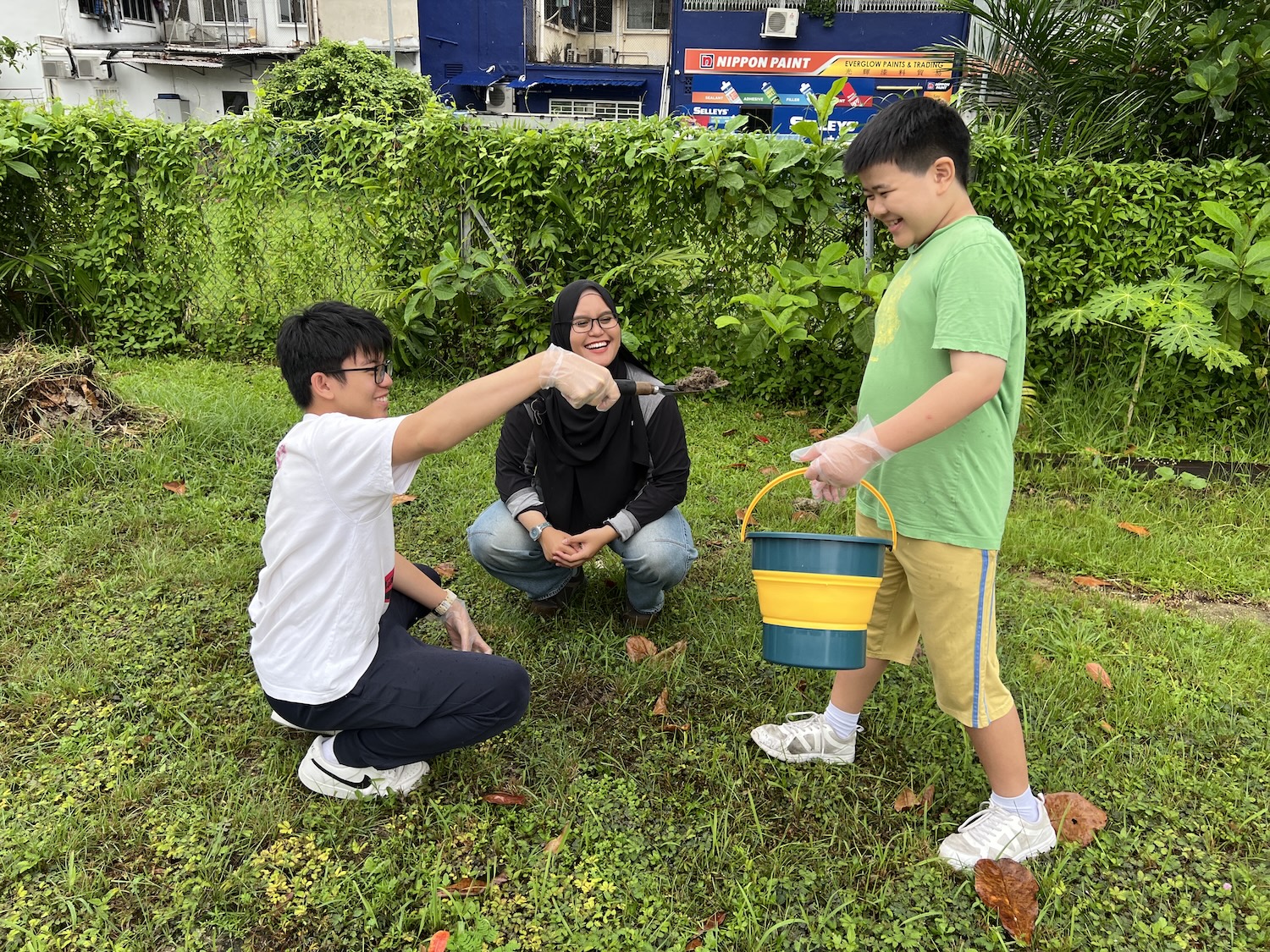
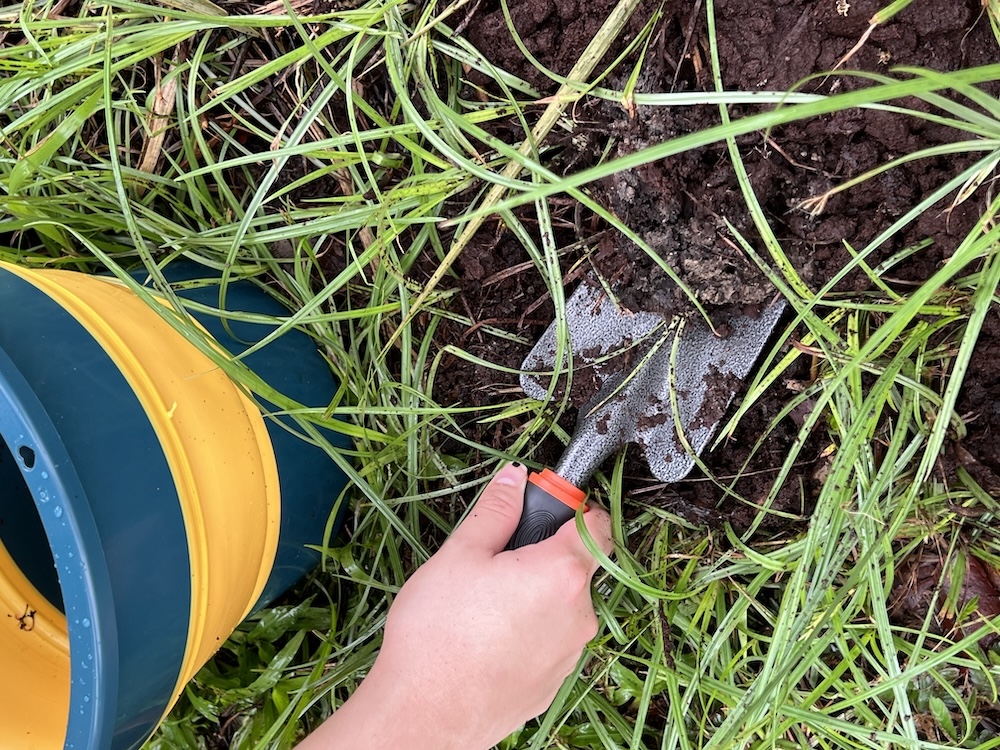
“It smells of coffee!” “The coffee smell is very strong!” These comments weren’t overheard in a cafe but around a compost heap. It had just rained. The grass in the garden was sprinkled with droplets of water and the soil glistened with puddles. Three teens, aged 13–16, had been given a mission to collect compost and soil for an experiment. They were in the garden on the grounds of the Vivita learning centre and makerspace at Kampung Eunos on a Saturday afternoon, examining the pile of compost. The strong aroma of coffee was not their imagination. In the large kitchen pantry room at the Vivita building, there were four bags of coffee beans at separate areas of the kitchen island and counters, and three different coffee machines. For the volunteers and staff of the organisations housed there, it wouldn’t be an overstatement to say coffee was a basic food group. And the copious amounts of coffee grounds ended up in the compost system in the garden.
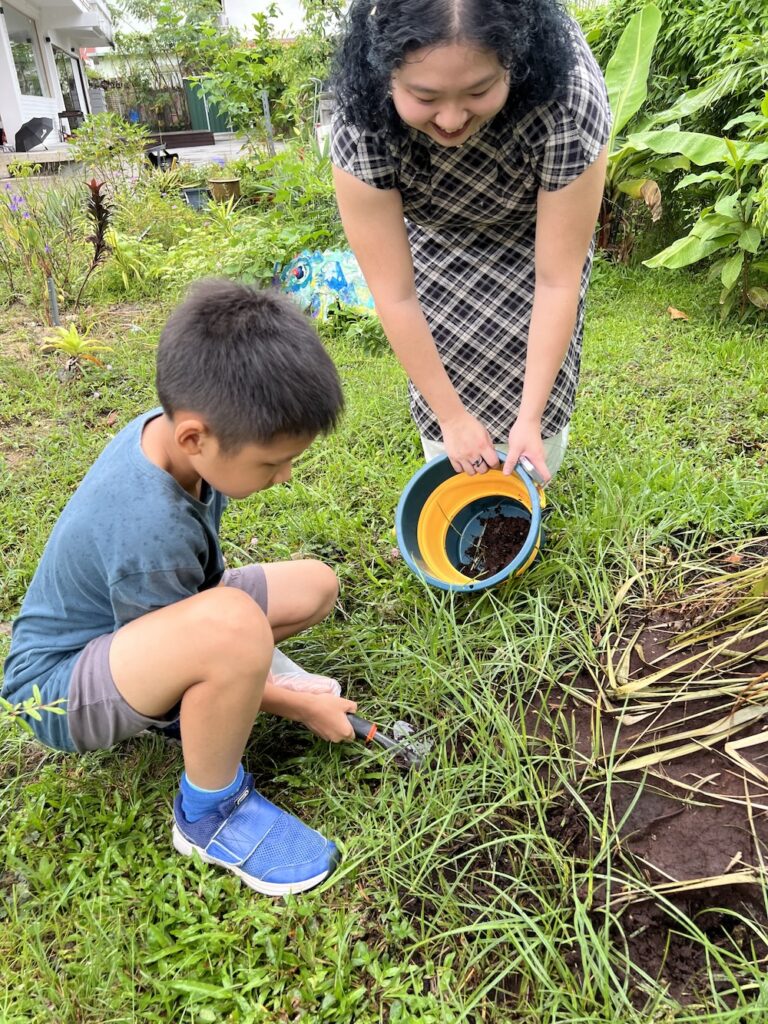
The Soil Detectives workshop organised by SpudnikLab was part of Spudniklab’s iterative design of the Science Kit. The objectives of the workshop were twofold—(1) to enable participants to interact with the natural world through their five senses, and (2) expose them to environmental science apparatus. The workshop aimed to demonstrate that observations made by humans interacting with the soil are as valuable as the numerical data derived from soil sensors. Soil sensors are instruments which measure aspects of soil such as moisture, pH value and the levels of component elements. They are used by agriculturalists and other professionals who work with the land.
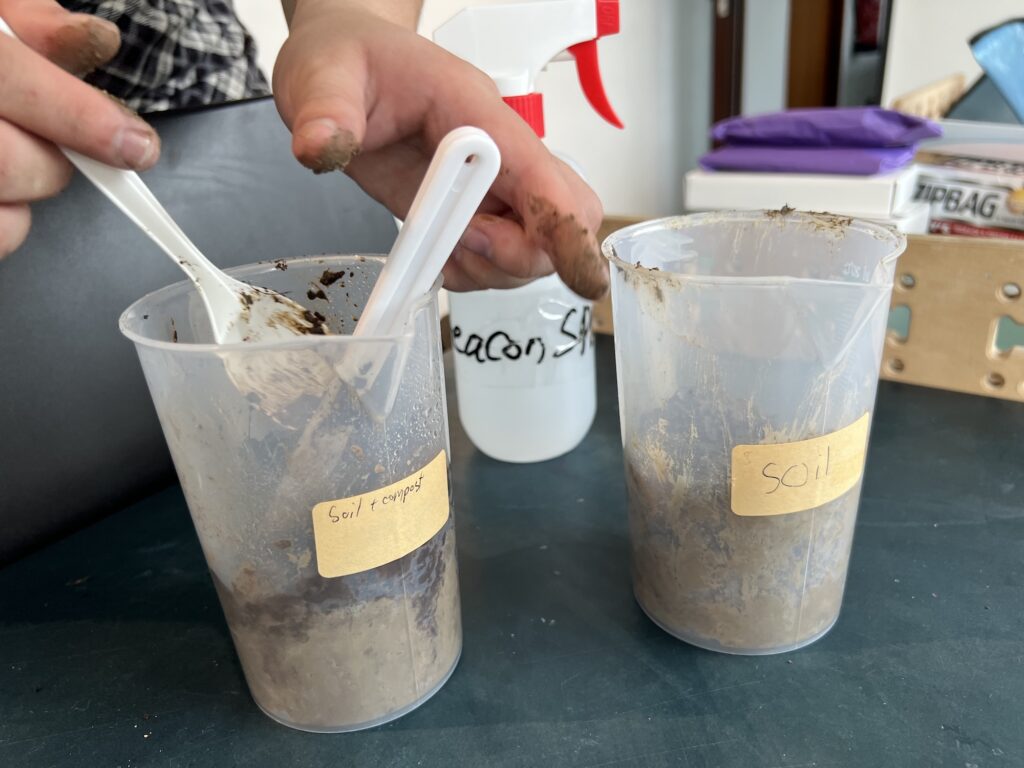
After the participants brought the soil and compost samples back to the room, they mixed three containers with different amounts of soil, biocharcoal and compost in each:
Container 1: Base soil from Vivita
Container 1: Base soil + compost
Container 3: Base soil + compost + biocharcoal
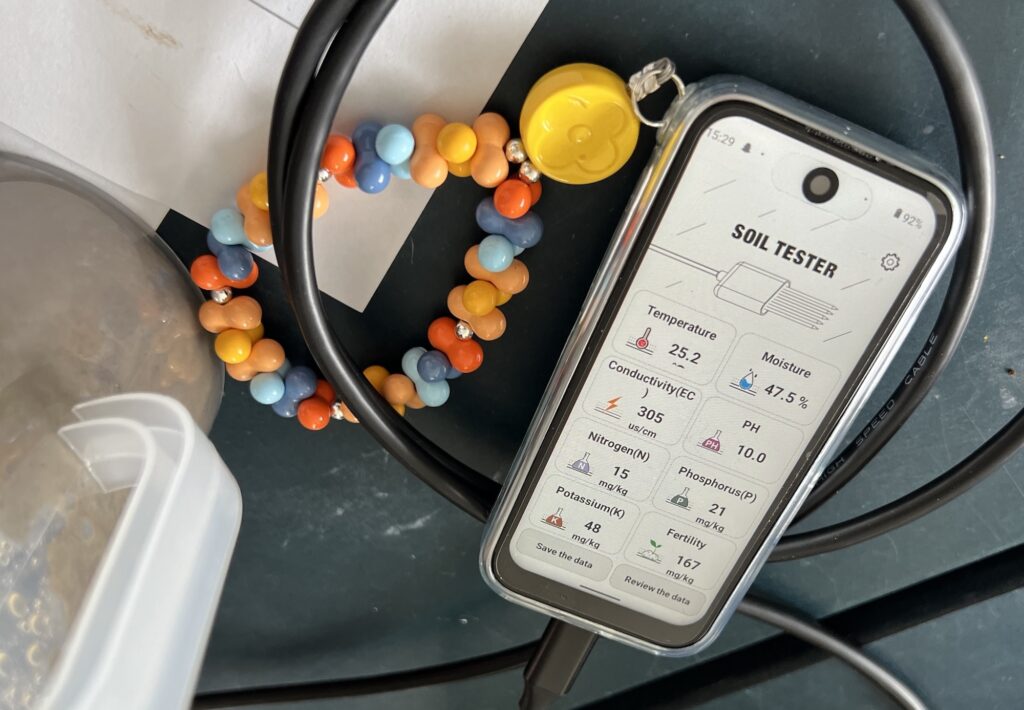
Each participant had a data sheet to record NPK (nitrogen, phosphorus and potassium) values of each container, so that was a total of three sets of data to compare.
Why these elements were being measured was because nitrogen, phosphorus and potassium are the three essential macronutrients plants need to survive, and they need to consume these macronutrients in large quantities, much like how we need to consume large amounts of macronutrients of carbohydrates, proteins and fats.
Nitrogen is a critical component of chlorophyll, the pigment which enables plants to convert sunlight to food via photosynthesis, and helps the plant produce the protein it needs to develop new tissue. Adequate nitrogen is required for healthy, green leaf growth.
Phosphorus plays a vital role in energy transfer in plants. It is also crucial to the photosynthesis process and helps stimulate the growth of roots and shoots, and sets buds and flowers.
Potassium is essential for the general immunity, photosynthesis and stress tolerance of plants. It regulates metabolic activities like water transport so plants can be more tolerant to drought.
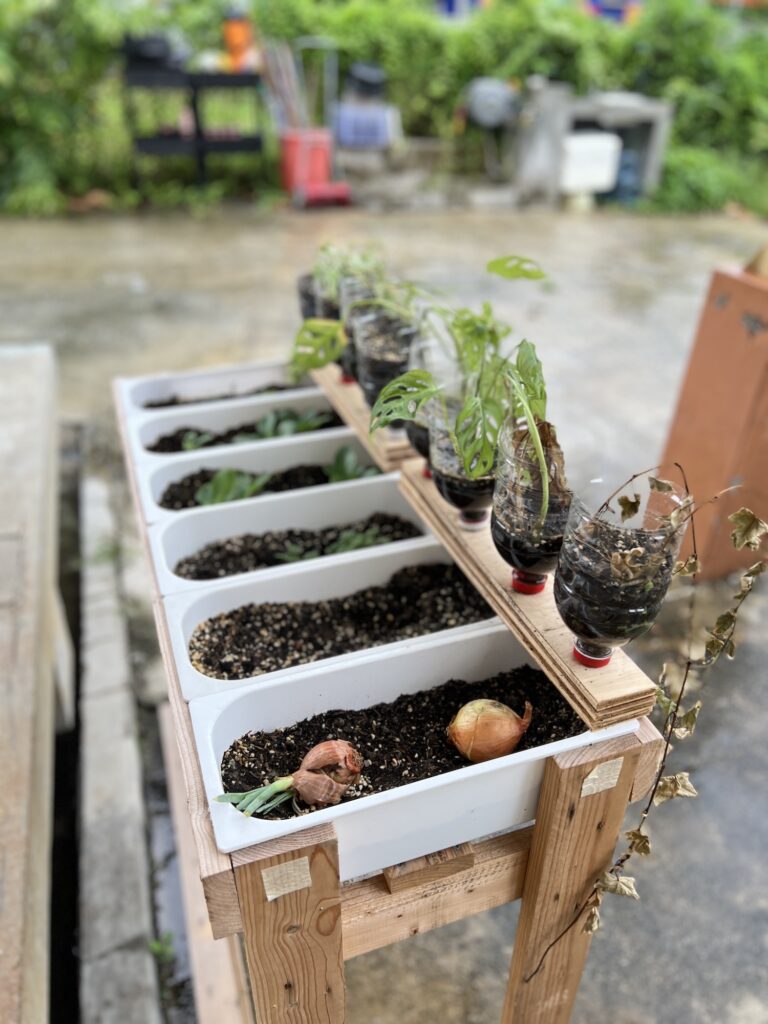
When the three data sheets were filled up and the participants compared notes, the container of soil and compost mixed together had the highest NPK (nitrogen, phosphorus and potassium) values. Thus they made the discovery that compost was very nutritious to plants. And that it was also effortless to make, because little human labour was needed, except to deposit food and vegetable scraps from food they were already preparing and eating, as well as cut grass or dried leaves, into the compost heap. After that, nature took over with the organic process of decomposition. (The coffee drinkers in the building might even suggest that making compost—the type in which coffee grounds are a considerable component—is a pleasurable activity!)
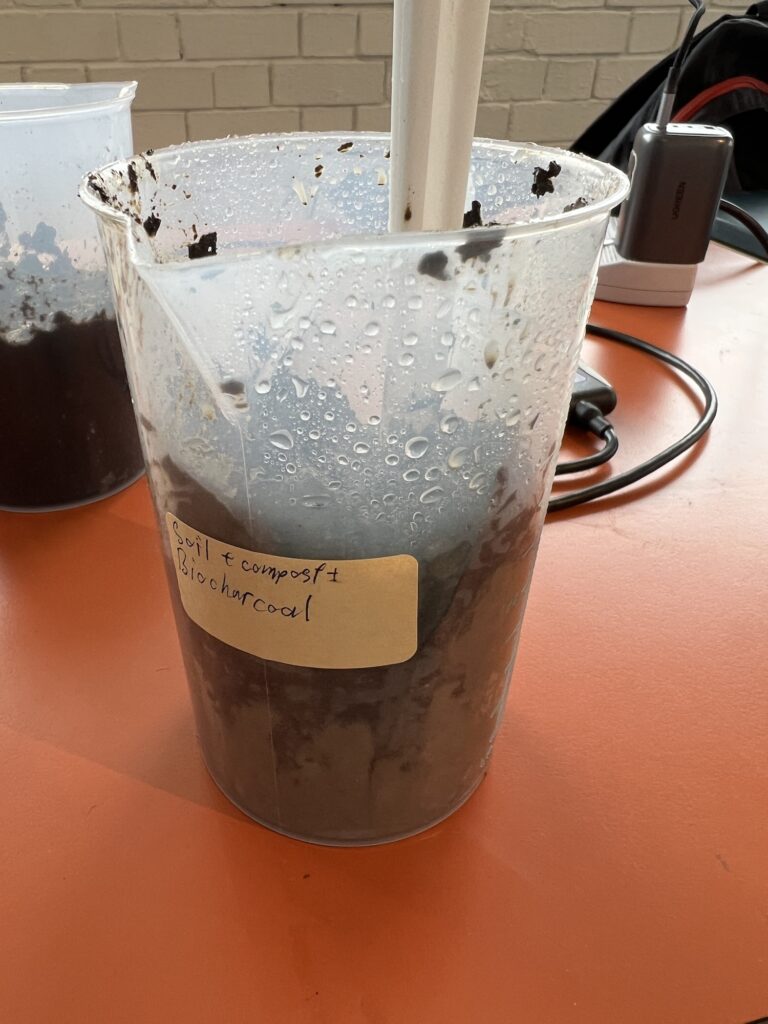
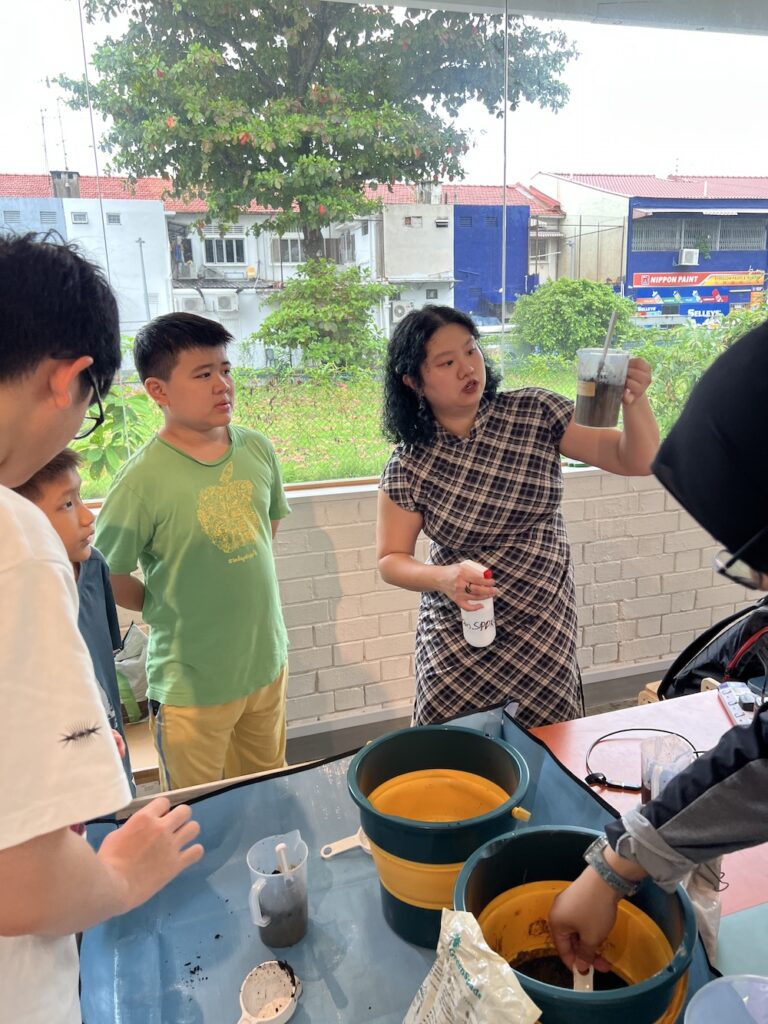
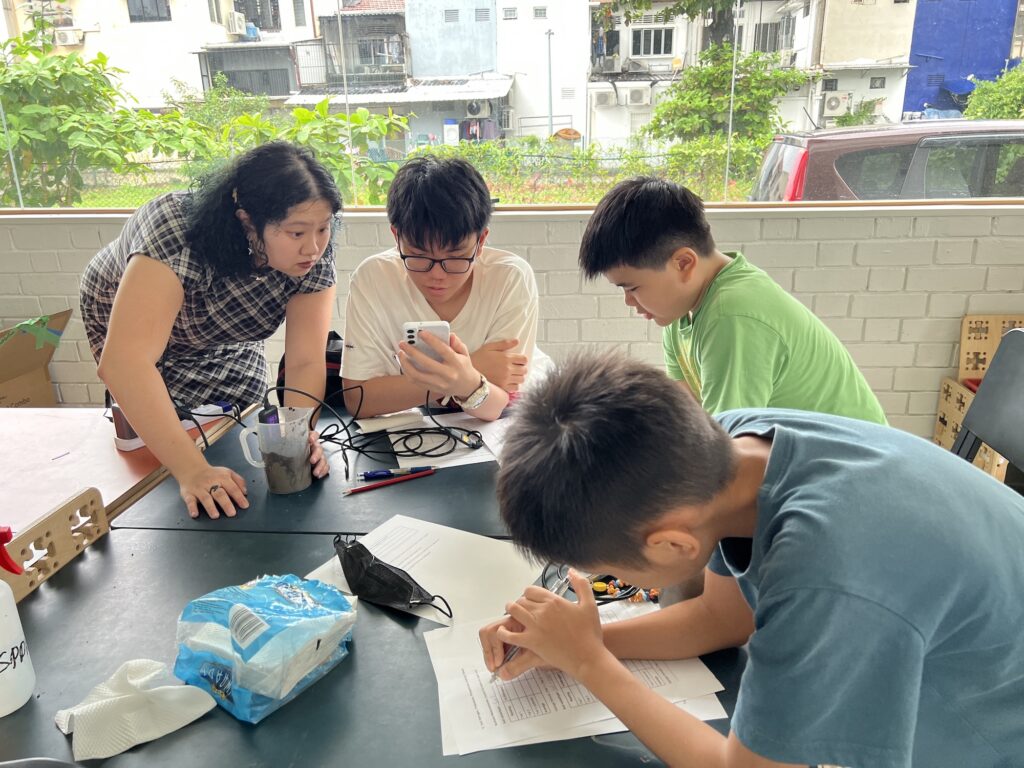
Another feature of the workshop was that participants got to witness biocharcoal at work. Biocharcoal stabilises the nitrogen, phosphorus and potassium elements in soil. Its porous surface acts like a sponge to hold nutrients, preventing them from evaporating or affecting soil acidity or alkalinity too much. This was evidenced by the soil+biochar+compost mix having the most consistent NPK values across all three data sheets.
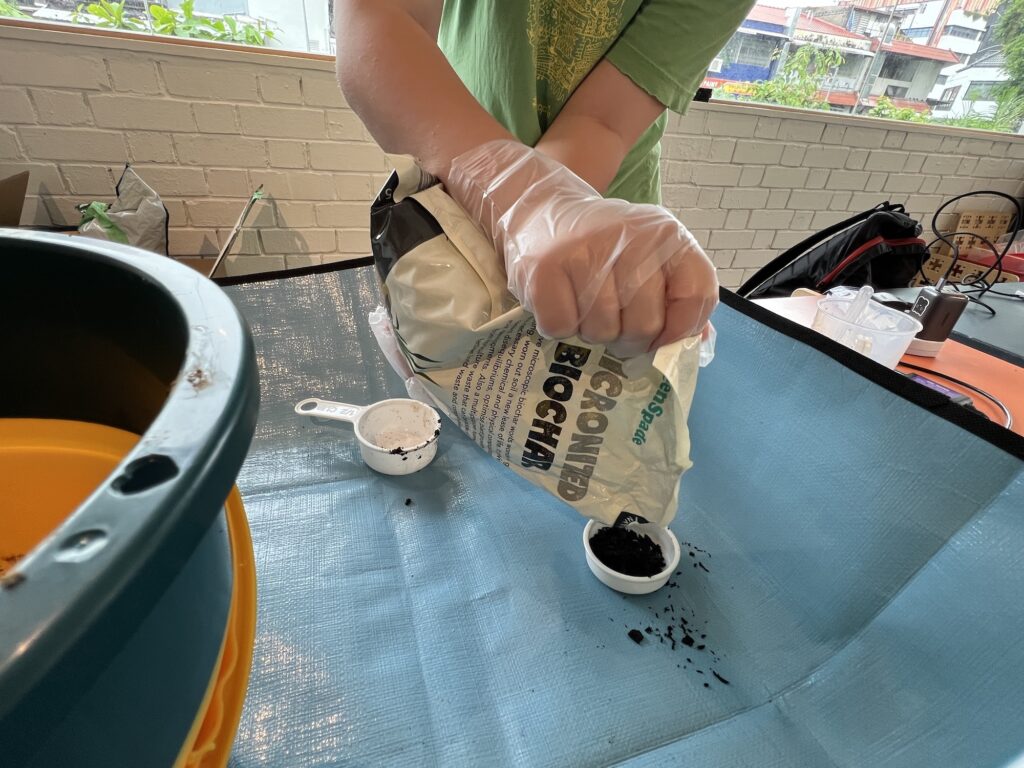
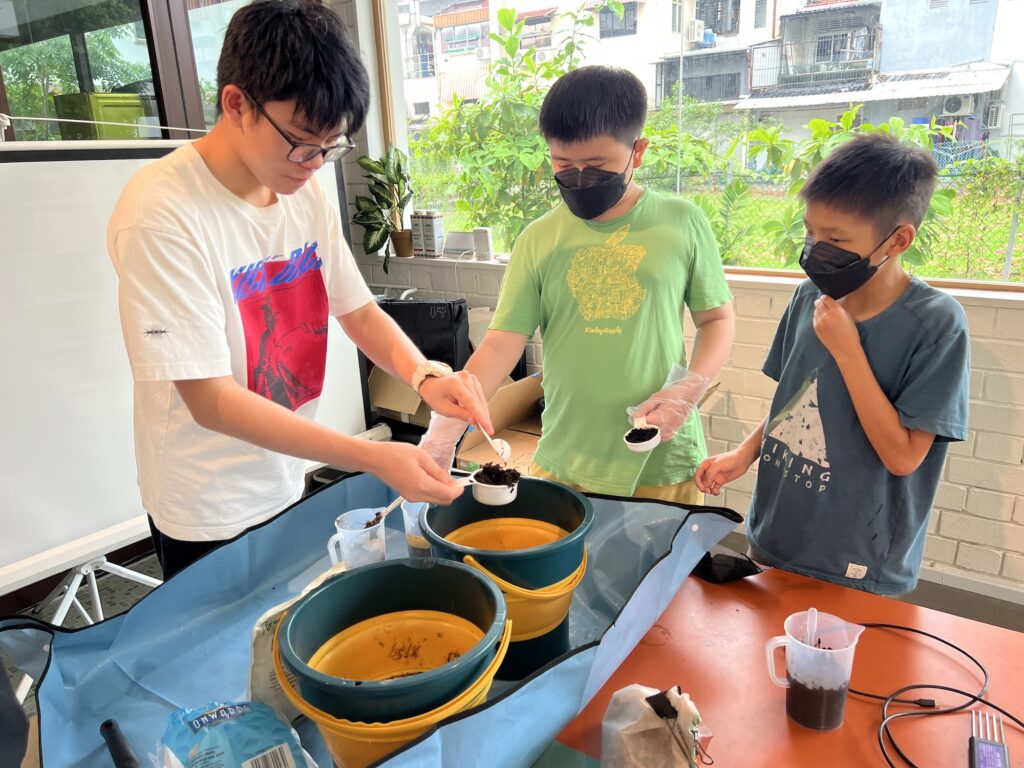
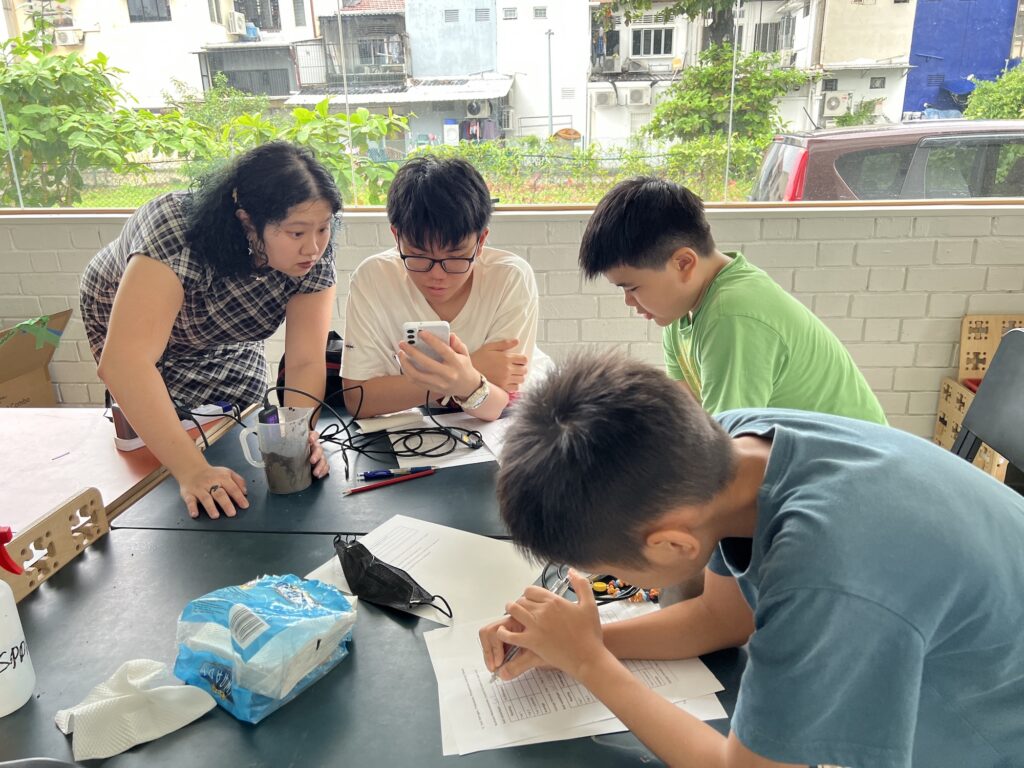
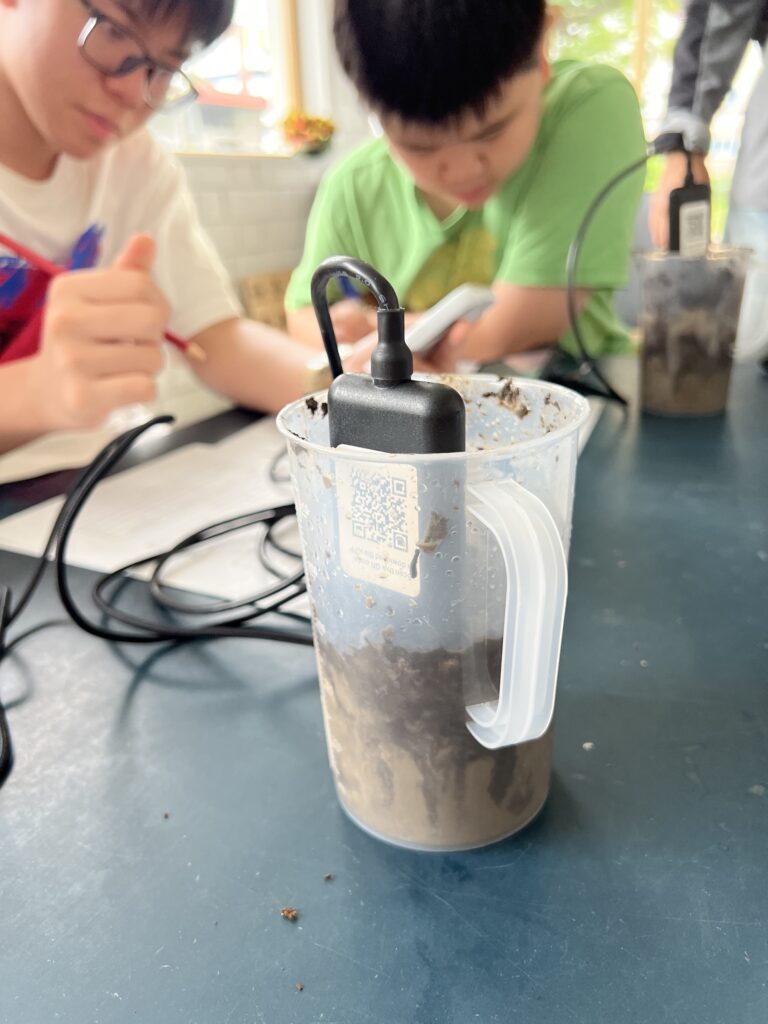
Through the course of the workshop, participants realised that general patterns and trends were more valuable than random outlying values from a scientific standpoint. They also had to confront personal biases from their previous experiences with compost and soil when recording their observations of the samples.
The experience was an opportunity to learn a lot about compost. Interacting with the compost heaps in Vivita dispelled a lot of preconceived notions they had, such as compost smelling awful and being dangerous to touch due to the ‘rotting things’ in it. Some of them did exclaim “compost actually smells nice!’’ and ‘’it smells more like coffee than anything.”